

Home / Stories / Paarl Farm Stay

Stories

Paarl Farm Stay

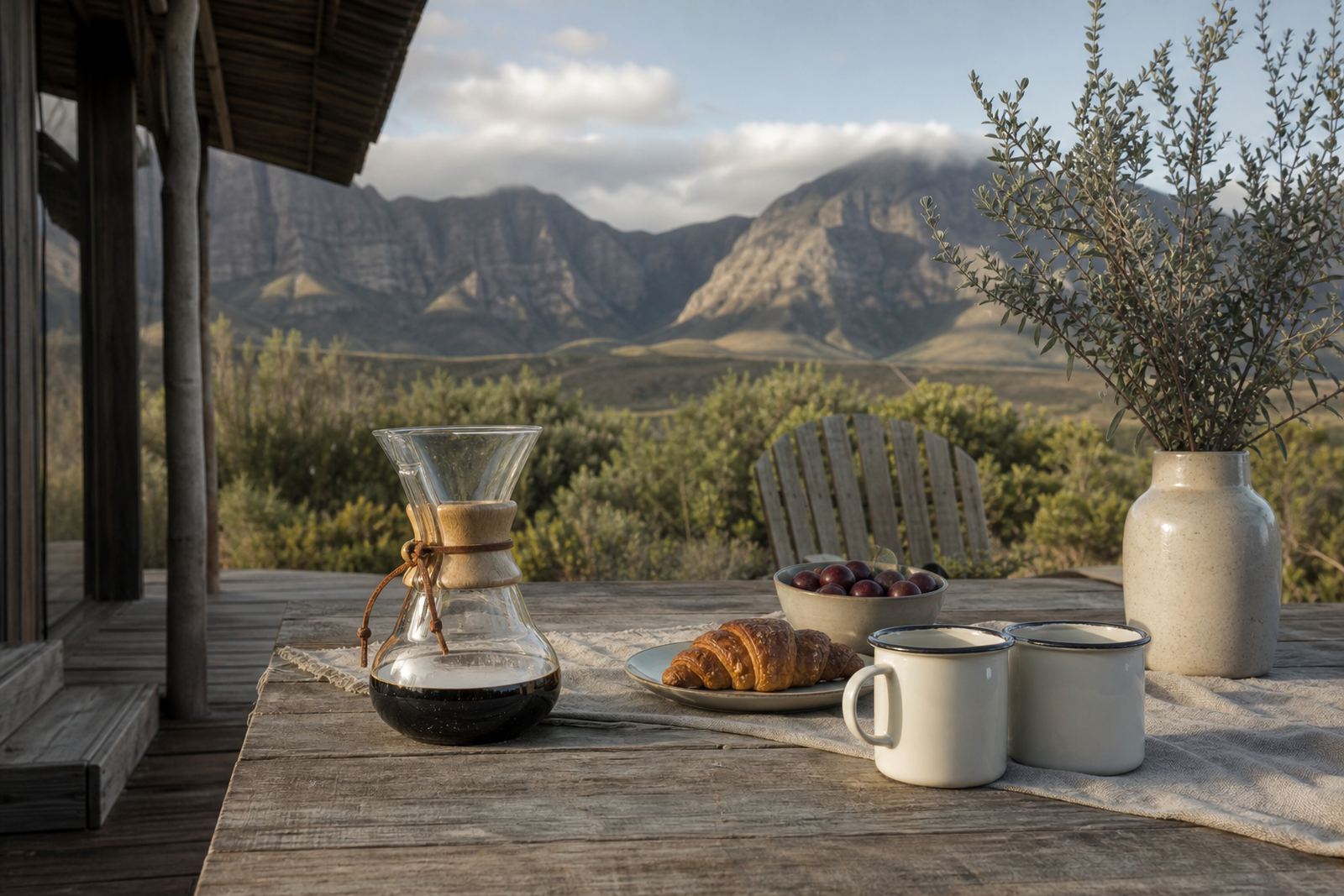
A farm stay outside Paarl wanted coffee that felt easy for guests, not fussy, but still special enough to match the setting and the morning pace. We set up a simple single-origin supply and brew plan for breakfast rooms, self-catering units and staff use.

Paarl Farm Stay

A Paarl brief built around easy guest mornings

The brief came from a countryside guest stay in Paarl that wanted coffee to feel welcoming from the first cup. The owners needed a setup that worked for mixed guests, from early risers heading out for a wedding or wine route day to families lingering over breakfast, and they did not want a complicated barista style routine for every pot.

We planned for consistency, low waste and a flavour profile that would sit well with milk and still taste clean as a black cup. The stay wanted single-origin coffee with enough character to feel local and thoughtful, but not so intense that it would put off casual drinkers. That balance shaped the whole project from bean choice to brew instructions.

  • Client type: countryside accommodation in the Paarl area
  • Use case: guest breakfast, self-catering units and staff brews
  • Goal: approachable specialty coffee with simple daily handling

What had to work on site, every day

The property had a few practical limits that mattered. Power cuts happen, water quality can vary by season, and guest turnover means the coffee routine has to be repeatable by different hands. The team also asked for a plan that would suit both quiet weekdays and busier weekend occupancies without leaving bags open too long or stock going stale.

Because the stay is in a farm setting near Paarl, storage conditions were a big part of the brief. Heat in summer, cooler winter mornings and the occasional damp patch in prep areas all affect coffee. We kept the order cycle tight, suggested sealed storage in a cool cupboard, and set out a rotation that matched occupancy rather than guessing at monthly use. The result was a setup that held flavour well and was easy to manage, even when things got busy.

  • Constraints: load-shedding, mixed guest skill levels, humidity swings and limited prep time
  • Storage need: sealed tins or bags kept away from heat and steam
  • Stock control: smaller, more frequent deliveries instead of one large order

The coffee supply and brew setup we put in place

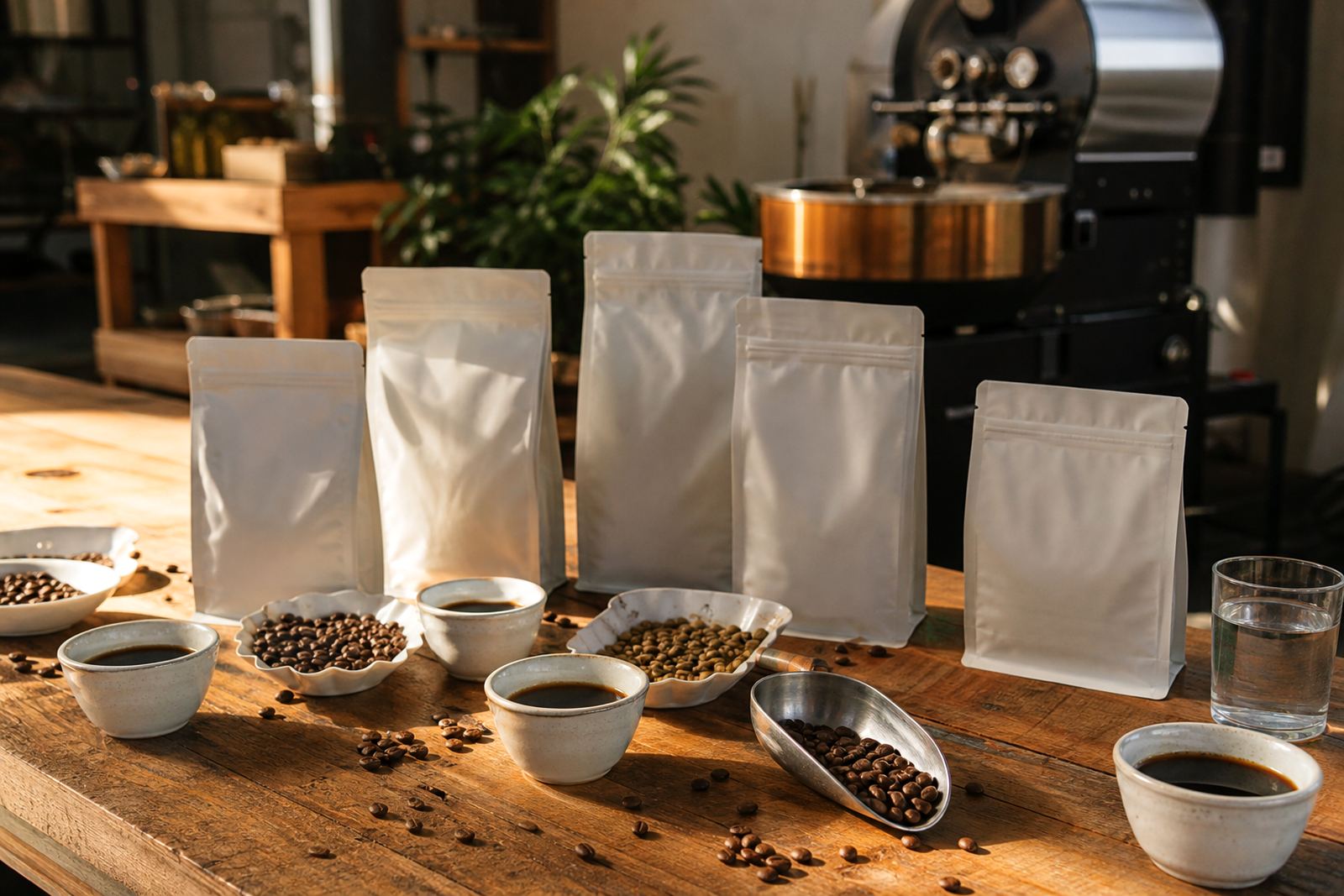
We supplied single-origin coffee chosen for a balanced cup with fruit, cocoa and light nutty notes depending on the batch. The roast level was set for filter and plunger use, with a grind recommendation for a medium brew that would work across simple guest equipment. We also mapped out a small fallback routine for busy mornings, so the team had a clear answer when more than one kettle, jug or cafetiere was in use at once.

Alongside the coffee itself, we gave the stay a brew note that covered dose, water ratio and contact time in plain language. The idea was not to overcomplicate things. It was to make sure the first cup of the day tasted the same on a Tuesday with three guests as it did on a Saturday with full occupancy. For staff, that meant fewer questions and less wasted product, which is always helpful at a property where mornings move quickly.

  • Roast style: medium roast single-origin
  • Use methods: filter, plunger and simple batch brew
  • Guidance supplied: dose, grind setting, water ratio and storage notes

How the rollout happened over three weeks

The project was completed over three weeks from first brief to steady supply. In week one, we clarified the guest profile, current equipment and expected coffee volumes. In week two, we settled the origin profile, did grind calibration guidance and finalised the ordering pattern. In week three, the first delivery went out and we checked how the coffee sat with the property’s breakfast routine.

That short timeline worked because the stay already had the basic equipment in place. What they needed was not a major rebuild, just a better matched coffee system. We kept the process simple, made sure the team knew what to do on low-stock days, and adjusted the pack sizes so opened bags would not sit around for too long. A small thing, but it matters when you are serving guests before 8am and dont want a dry or flat cup.

  • Week 1: brief, usage check and equipment review
  • Week 2: coffee selection, calibration notes and stock plan
  • Week 3: first delivery and on-site routine check

The guest response and what changed on breakfast service

Once the coffee was in place, the main change was quieter mornings at the breakfast table. Guests had a cup that was easy to understand and pleasant to drink without asking for special treatment, and the staff had fewer brew-related questions. The stay also noticed less waste because the stock matched occupancy better, so opened bags were used through before the next delivery arrived.

From a service point of view, the coffee helped the property feel more settled. The flavour was good enough to be mentioned by guests, but it did not need a story every time someone poured a cup. That is often the right level for a farm stay. People want a proper start to the day, not a complicated coffee lesson before breakfast. We have found that this kind of setup gives the property a better rhythm and keeps expectations practical.

  • Result: smoother guest mornings and fewer service interruptions
  • Result: less coffee waste through better stock matching
  • Result: a cup that suited both black coffee drinkers and milk-based drinks

What we would repeat for another countryside stay

If we were doing this again for another farm stay, we would keep the same structure: start with the guest pattern, choose a single-origin coffee that is easy to brew well, then set a delivery rhythm that follows occupancy. That approach keeps the coffee fresh, reduces decision fatigue for staff and gives guests a reliable cup without overcomplicating the morning routine.

We would also keep the brew notes short and practical. One page is usually enough when the team is juggling check-ins, breakfast, and housekeeping. For properties around Paarl, Stellenbosch or the wider Winelands, the most useful coffee setup is often the one that respects the space, the weather and the pace of the day. Simple, measured and easy to repeat. Thats the part that lasts.

  • Keep brew instructions short and visible near the coffee point
  • Match pack sizes to occupancy, not just monthly totals
  • Review grind and stock at the change of season

Key facts

Project typeHospitality coffee supply and brew setup
LocationPaarl, Western Cape
Timeline3 weeks from brief to rollout
Coffee styleSingle-origin medium roast
Use methodsFilter, plunger and simple batch brew
Supply formatRegular subscription-based deliveries with stock planning

What our Speciality Coffee customers say

Verified Google reviews

Questions we get asked

Was this project suitable for non-barista staff?

Yes. The setup was planned for general hospitality use, with plain brew notes and simple equipment handling so different staff members could make the same cup reliably.

Did you supply coffee only, or also the brew guidance?

We supplied both. The project included coffee supply, grind calibration guidance, brew ratios and stock planning so the property could manage service day to day.

Can this kind of setup work for other guest stays in the Winelands?

Yes. The same approach works well for farm stays, guest houses and small hospitality venues where the team needs good coffee without a complicated workflow.

Planning something? Send the team a message.

Contact form