
What the Franschhoek team needed from coffee
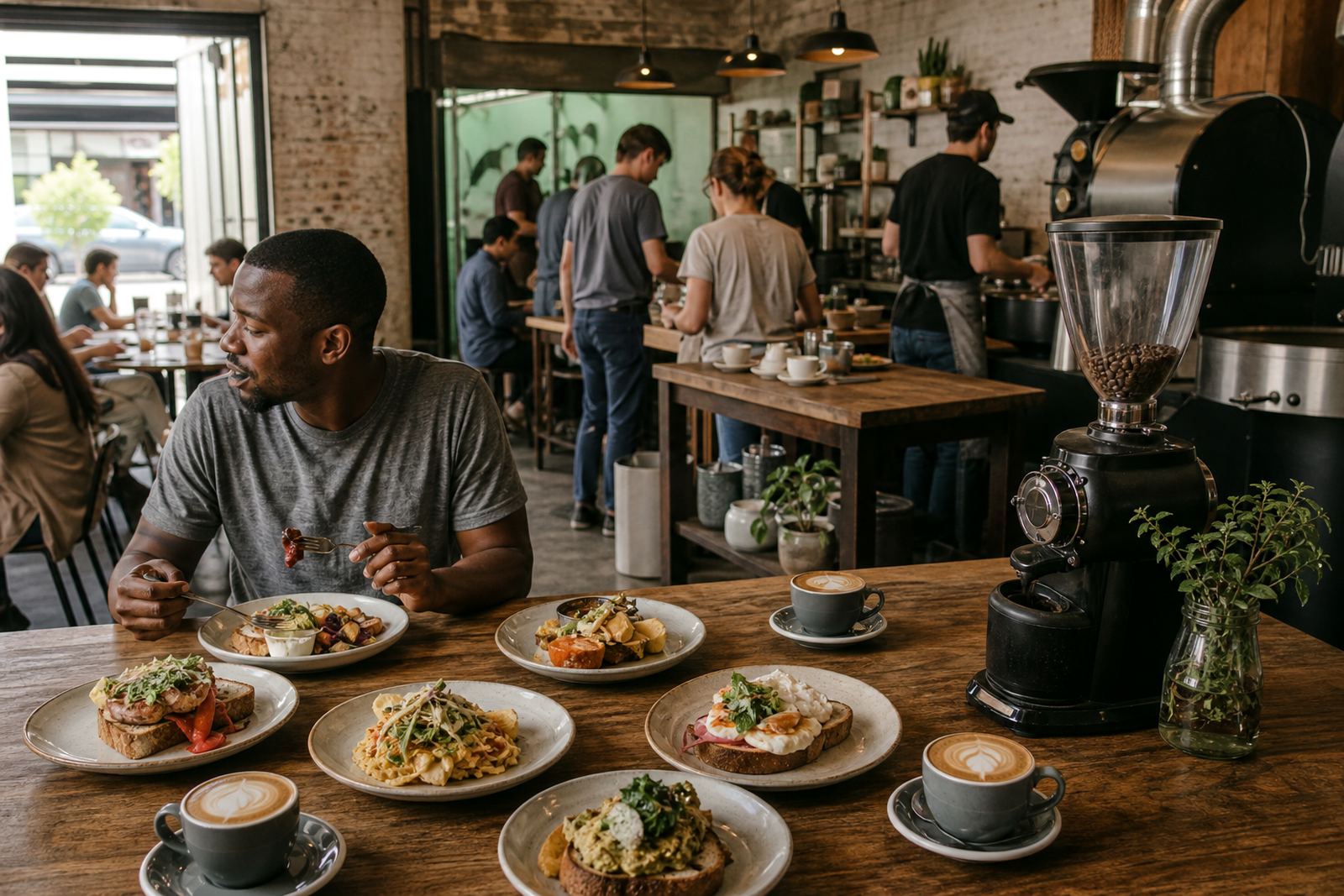
The venue is a breakfast spot in Franschhoek serving a mixed crowd of hotel guests, local regulars and weekend visitors. Their food menu changes with the seasons, so the coffee service had to feel just as considered: quick at the pass, steady through the morning rush, and polished enough to match plated breakfasts, pastries and lighter lunch items.
The brief was practical. They wanted a better espresso profile, clearer drink build, and a coffee offer that worked in a tourism town where Saturdays can start early and run hard. The team also needed something easy for new waiters and floor staff to understand. In other words, good coffee without extra complexity for the kitchen or front of house.
- Client type: breakfast venue and daytime hospitality service
- Town: Franschhoek, Western Cape
- Need: sharper espresso flavour and faster service
- Menu context: seasonal breakfast and brunch offer
Constraints on site and how we worked around them
Franschhoek brings its own realities. Power interruptions can interrupt service at the worst moment, mornings are busy but short, and the back of house is often tight for space. The client also wanted a setup that would not create waste through over dosing, over extraction or too much stock sitting on the shelf during quieter weekdays.
We kept the solution straightforward. The coffee had to perform on a standard café workflow, tolerate busy rushes, and still taste clean in milk drinks. We also paid attention to water quality, grinder settings and service speed, because those three things usually decide whether a breakfast venue feels calm or chaotic before 10am.
- Limited counter space behind the service area
- Need for stable brew quality during load shedding and generator changeovers
- Short morning peak, then a slower midday trade
- Staff mix included experienced and newer team members
Single-origin espresso chosen for clarity and balance
For this project we supplied a single-origin espresso approach that could carry both straight shots and milk-based drinks. The aim was a cup with enough sweetness for breakfast service, enough structure to stand up in flat whites and cappuccinos, and enough clarity to pair with fruit, eggs and baked items without tasting heavy.
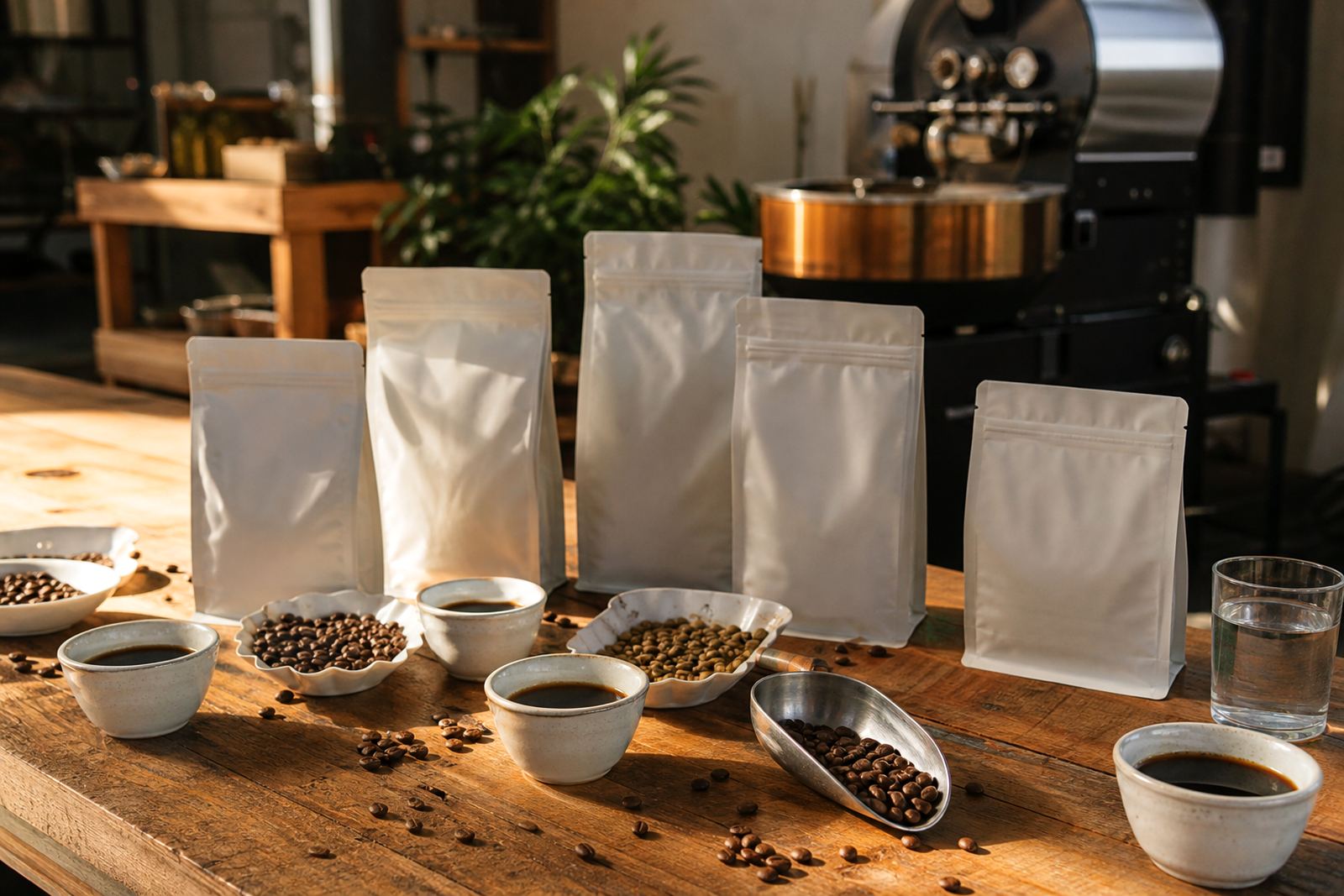
We supplied beans in a medium roast style, then calibrated the grind on site to suit the machine, the water and the day-to-day service tempo. The espresso spec was set to remain practical rather than fussy: a consistent dose, a steady extraction window and a repeatable recipe that staff could follow without second guessing.
- Roast style: medium, with a clean finish and low bitterness
- Use case: espresso, flat white, cappuccino and long black
- Calibration focus: shot timing, crema quality and milk balance
- Order format: regular supply with stock planning for peak weekends
Training the team for a busy breakfast window
Good coffee service depends on people as much as equipment. We spent time with the team on grinder adjustment, dose control, puck prep and milk texturing so the drinks would hold up when the queue built up. The training was aimed at consistency first, because a breakfast spot needs every cup to taste like the one before it.
We also worked through practical service habits: how to reset the grinder after quieter periods, what to check after a power cut, and how to keep the espresso tasting right when the weather shifts or the beans open up in the warmer kitchen. Small things like this make a real difference in a busy dining room.
- Barista refresh covering extraction, steaming and workflow
- Simple drink standards for staff on early shifts
- Guidance for start-up, shutdown and power recovery
- Advice on holding quality during humid summer mornings
Coffee planning around seasonal food changes
The restaurant wanted the coffee offer to move with the menu rather than sit apart from it. We helped build a rotation plan that could change with the seasons, so the house espresso stayed reliable while the team could still introduce a slightly different profile when the food offer shifted. That kept the breakfast menu feeling current without making the coffee programme difficult to manage.
We also supported stock forecasting so the venue could plan for school holidays, long weekends and the busier Stellenbosch-Franschhoek visitor periods. That meant fewer emergency top-ups, less storage pressure and better control over wastage. For a breakfast venue, it is often the forecasting that saves the morning, not the machine.
- Seasonal rotation plan for menu updates
- Weekly stock forecasting based on trading pattern
- Guidance for service volumes on high-footfall weekends
- Subscription supply arranged to support regular ordering
Timeline, results and what changed after launch
The full project ran over three weeks from first briefing to final handover. Week one covered the brief, menu discussion and stock requirements. Week two focused on supply, calibration and staff training. In week three we fine-tuned the espresso recipe after live service feedback and settled the reorder rhythm.
The result was a better cup and a calmer service. Staff had a clear process, drinks were arriving faster, and the coffee sat more comfortably beside the menu instead of competing with it. The venue reported steadier quality across the morning rush, better feedback on milk drinks, and a smoother handover between kitchen and front of house. The biggest gain was not drama, just consistency.
- Project duration: 3 weeks
- Service outcome: faster drinks and fewer re-pulls
- Guest response: better balance in espresso and milk drinks
- Operations outcome: simpler ordering and tighter stock control
What we would repeat for another breakfast venue
We would do the same things again for another breakfast venue in the Cape Winelands or elsewhere in South Africa: start with the menu, match the coffee to the food, and keep the service plan practical. The best results come when the roasting profile, equipment setup and staff training are treated as one job, not three separate ones.
For a venue like this, the winning formula is clear. Use coffee that tastes good on its own, calibrate it for milk drinks, and make sure the team can keep it steady during a busy morning. That is the kind of support that actually shows up in the cup and in the dining room.
- Start with the food menu before choosing the espresso profile
- Build in training for new staff and peak service periods
- Keep forecasting simple so stock never gets out of hand
- Review the recipe after the first live week of service
Key facts
| Location | Franschhoek, Western Cape |
|---|---|
| Client type | Breakfast venue and daytime hospitality service |
| Project duration | 3 weeks |
| Coffee format | Single-origin espresso supply |
| Key services | Brew Station Setup, Grind Calibration, Brew Training, Coffee Menu Planning, Stock Forecasting |
| Outcome | Faster service, steadier flavour, cleaner workflow |