

Coffee choices built around your daily use
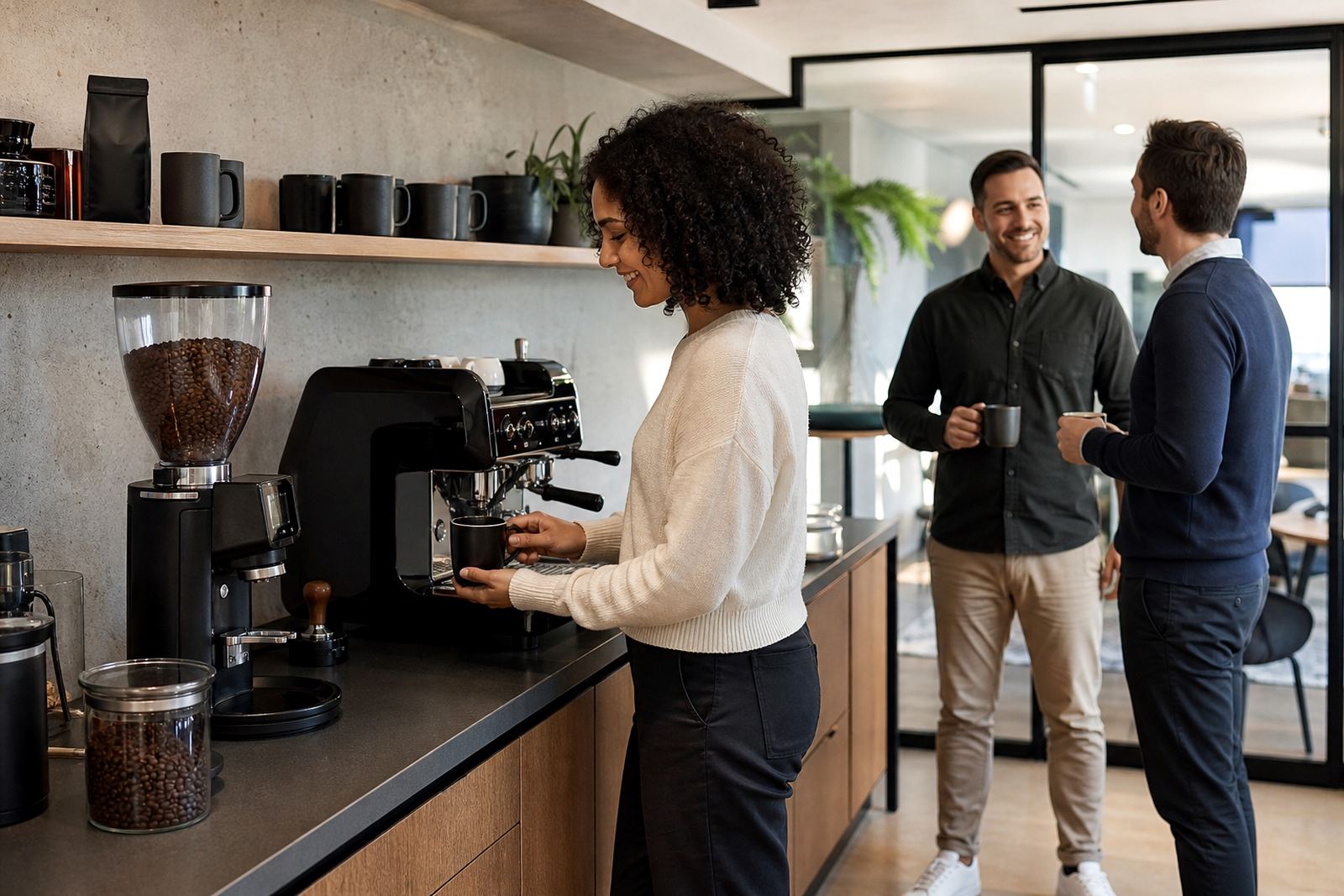
Coffee menu planning starts with how your team actually drinks coffee. Some offices want a simple two-bean setup with one house espresso and one filter option, while others need a wider rotation for guests, meetings, and staff areas. We look at headcount, peak cup times, milk use, filter demand, and whether your team prefers bright, fruity cups or heavier chocolate and nutty notes.
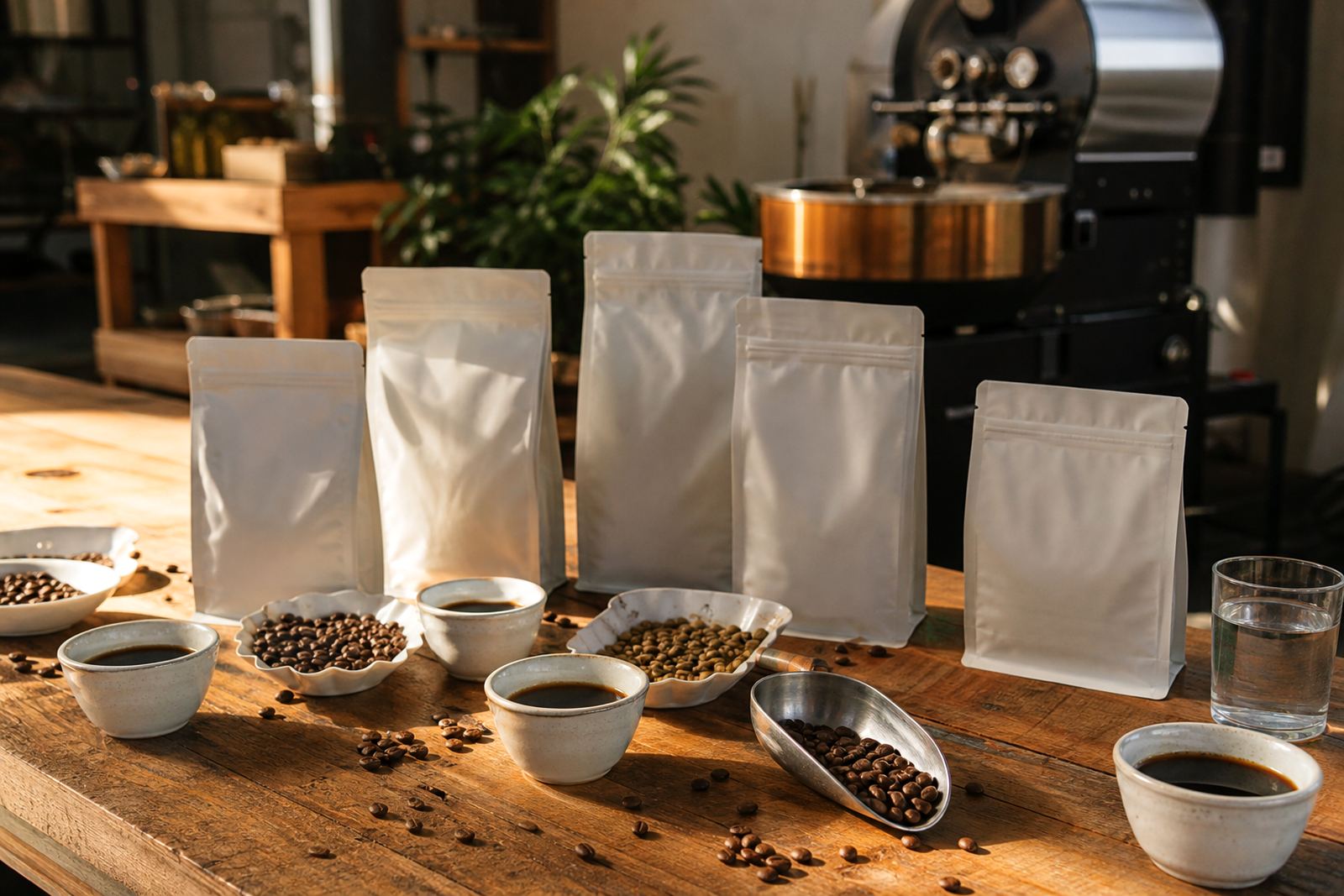
We work with single-origin coffees and seasonal rotations, so your menu can change through the year without losing consistency. That means you can keep one reliable espresso profile in place and rotate a second coffee for pour-over, batch brew, or French press. For homes and offices in Cape Town, Johannesburg, Pretoria, Durban and Gqeberha, this also helps with freshness planning because delivery schedules and consumption rates vary a lot by area.
- Espresso-friendly coffees for milk drinks and straight shots
- Filter or batch brew coffees for meeting rooms and shared stations
- Decaf options for late afternoons and client visits
- Seasonal beans for limited runs or special tasting moments
What is included in the planning service
The service covers the practical side of coffee menu planning, not just the bean list. We map out which coffees to stock, what brew methods suit each one, and how much of each you should hold on site. If your team works across multiple floors or has a reception point and a kitchen, we can suggest a split menu that keeps service moving without overbuying stock.
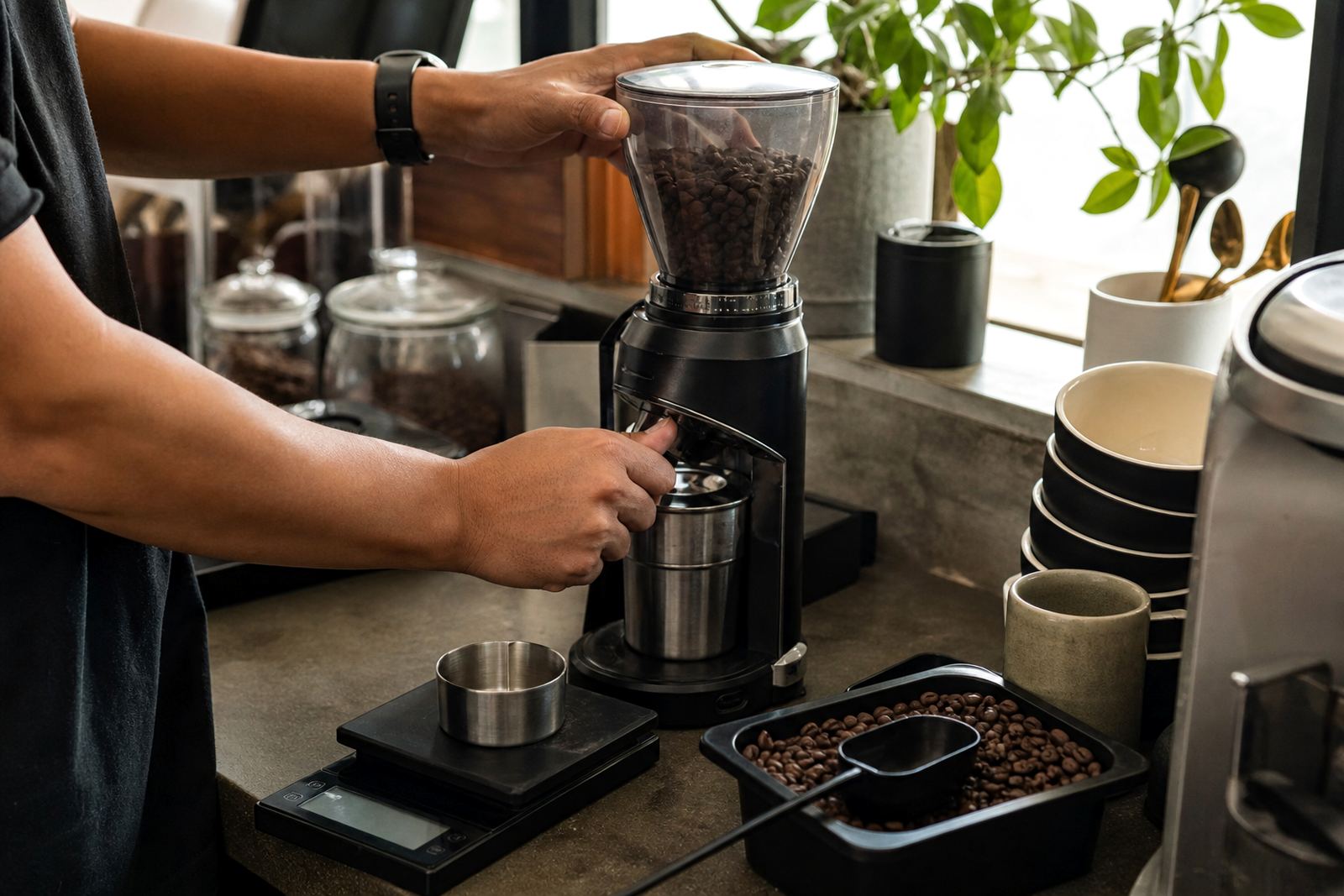
We also take into account your equipment, cup volumes, and the skill level of the people making coffee. A menu that works for a trained barista will not always work for a small office team with limited time and changing schedules. Where needed, we include grind notes, brew ratios and serving suggestions so the menu is practical from day one.
- Menu layout for espresso, filter, decaf and seasonal coffees
- Suggested grind settings and brew ratios for your equipment
- Stock levels based on weekly cup counts
- Serving notes for milk drinks, black coffee and guest service
- Rotation plan for flavour changes through the year
How we map your brew setup
We begin with a short intake on your current setup, coffee habits and buying pattern. Then we review the machines, grinders, water source, storage space and how often coffee is brewed during the day. Water quality matters more than people often think, especially in areas with hard water or coastal humidity, because it changes flavour and can affect equipment maintenance.
From there, we recommend a menu that suits your environment. For example, a busy corporate kitchen in Sandton may need a high-turnover espresso and a stable batch brew, while a creative studio in Woodstock might prefer a smaller but more flavour-led menu with lighter roasts. If the space has load-shedding interruptions, we also factor in which brew methods still work well when power is off or when the team is running on backup support.
We then test the coffees against your preferred brew styles and adjust until the flavour, speed and ease of use feel right. Minor tweaks to grind, dose, water volume or brew time can make a big difference, so we keep the process hands on and practical.
Turnaround, rollout and review cycles
For most offices and hospitality spaces, the first menu draft is turned around within 3 to 5 working days after we receive your brief and usage details. If you need a larger rollout across several branches or want seasonal coffees included, allow a little more time for stock planning and scheduling.
Once the menu is approved, we can stage the rollout in one delivery or split it into phases. This is useful when you are changing bean profiles, adding a decaf, or introducing a new brew method to the team. We also recommend regular review intervals so the menu stays aligned with actual use, not just the original forecast.
- Initial review and requirements check
- Menu draft with coffee options and brew notes
- Tasting or sample adjustment where needed
- Final stock list and delivery plan
- Review after 4 to 6 weeks, then quarterly if volumes change
Pricing approach that suits the way you buy coffee
Pricing depends on the number of coffees in the menu, the amount of planning required, and whether you need a one-time setup or ongoing menu management. Smaller teams may only need a straightforward menu review, while larger sites with multiple departments, guest areas or separate branches usually need a more detailed planning structure.
We keep pricing transparent and tied to the actual work involved. That can include flavour profiling, brew method matching, stock forecasting and seasonal changes. If you are running a tight office budget, we can plan a menu that keeps quality consistent without holding too much stock or paying for coffees that do not suit your team. In real terms, a well planned menu often saves money by reducing waste and over-ordering.
For multi-site clients, we can align the menu so each location follows the same core range while still allowing small local adjustments. This helps with ordering and makes staff training simpler across branches.
Keeping the menu working after launch
Coffee menus need maintenance just like any other part of the kitchen or tea point. Beans age, team habits shift, and seasonal demand changes. We recommend checking the menu every 4 to 8 weeks in active offices, and slightly more often if your coffee volume is high or if you serve clients throughout the day.
Maintenance usually includes checking stock movement, reviewing wastage, adjusting grind and brew notes, and swapping in a seasonal coffee when the current one is no longer tasting its best. If your space has humid conditions, particularly in coastal areas, storage can need a bit of tightening up too. Airtight bins, clear stock dates and sensible weekly ordering help keep the flavour stable.
For hospitality clients and larger workplaces, we can also support menu updates after events, busy periods, or changes in staff headcount. That way the coffee stays familiar for regular users and still gives you enough variety for guests and visiting teams.
Key facts
| Service type | Coffee menu planning for offices, hospitality spaces and multi-site teams |
|---|---|
| Menu formats | Espresso, filter, batch brew, decaf and seasonal rotation |
| Turnaround | 3 to 5 working days for the first draft, depending on brief detail |
| Review interval | Every 4 to 8 weeks, with quarterly checks for steady sites |
| Coverage | Woodstock, Cape Town, Johannesburg, Pretoria, Durban, Gqeberha and surrounding business districts |
| Planning inputs | Cup counts, equipment type, staff skill level, water quality, storage space and service hours |