
The brief from a busy Gardens café
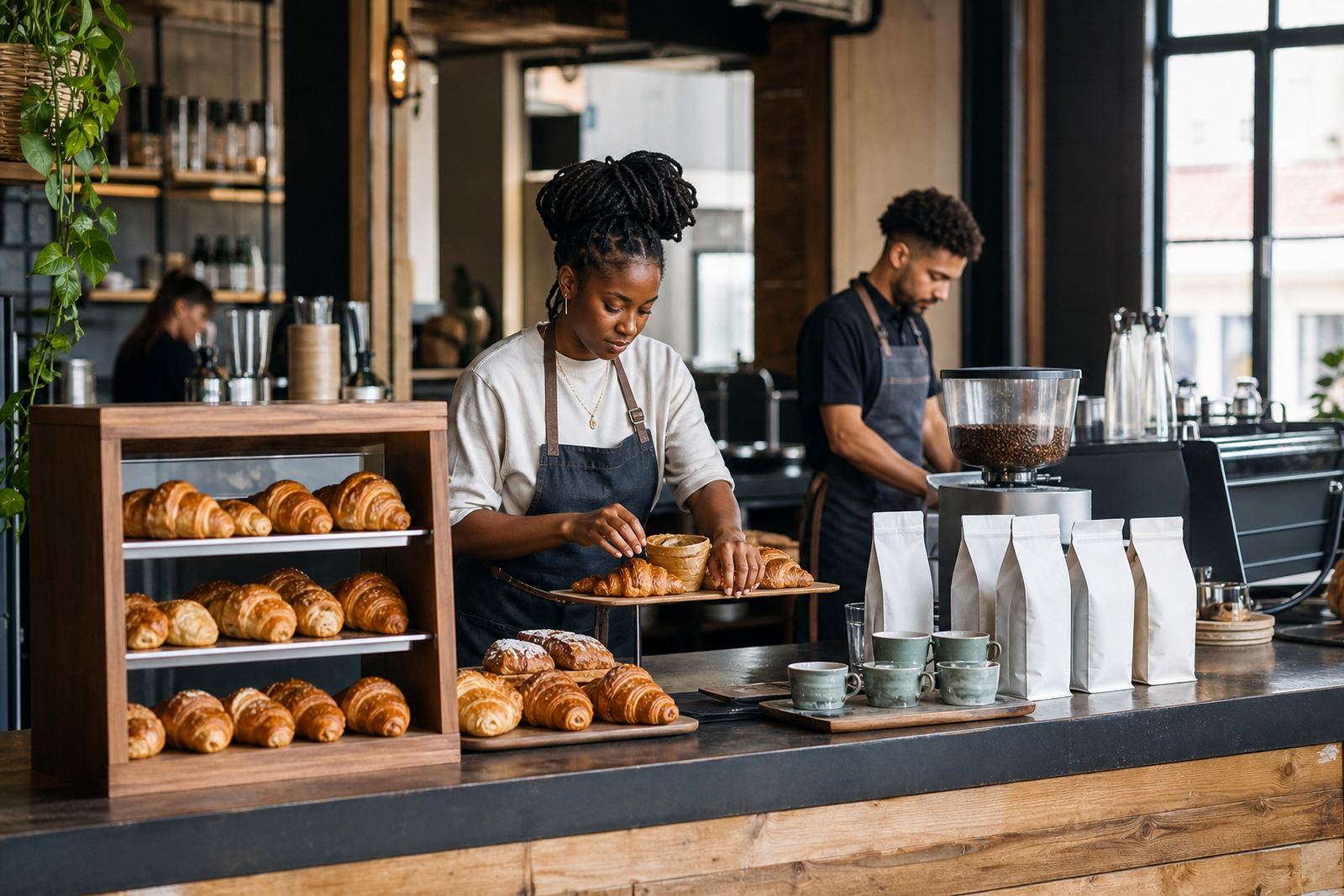
The client was a small neighbourhood café in Gardens, Cape Town serving breakfast, lunches and steady takeaway trade from nearby offices and residents. Their espresso had been carrying the coffee side of the menu for years, but they wanted a clearer filter option that matched their daytime crowd and gave customers something fresh to talk about.
The brief was straightforward. They wanted a single-origin filter coffee programme that felt lighter and more expressive, with enough consistency to serve well through the day. They also needed a setup that would work in a compact prep area, handle busy mornings, and stay reliable during load-shedding shifts and cooler, damp Cape Town mornings when equipment can behave a little differently.
- Neighbourhood café in Gardens with limited counter space
- Focus on single-origin filter coffee, not a mixed house blend
- Fast service for morning rush and lunch trade
- Staff needed simple brewing steps and repeatable results
- Stock use had to stay tidy for a small back-of-house area
Constraints in the shop and on the street
Like many older Cape Town spaces, the café had its own quirks. The counter layout was tight, storage was limited and the filtration station had to fit around pastry service, milk prep and till work. They also wanted to keep the equipment footprint small enough that staff could move quickly during peak times, without crowding the front area.
We also had to think about seasonality. In summer, Gardens gets a steady flow of walk-ins and tourists. In winter, trade becomes more local and the café needs the coffee offering to do more of the talking. Coastal humidity can affect grind behaviour and bean storage, so the team needed a setup that would stay stable in day-to-day use, not just on the first morning after installation. There was a lot of attention on cup quality, but also on simple things like where to keep paper filters, how to rotate stock and how to make each batch come out the same.
- Small prep area with limited dry storage
- Need for a compact brewing station and clear workflow
- Humidity and cooler weather affecting grind and extraction
- Menu had to fit both regulars and passing trade
- Service speed mattered as much as flavour
What we supplied and set up
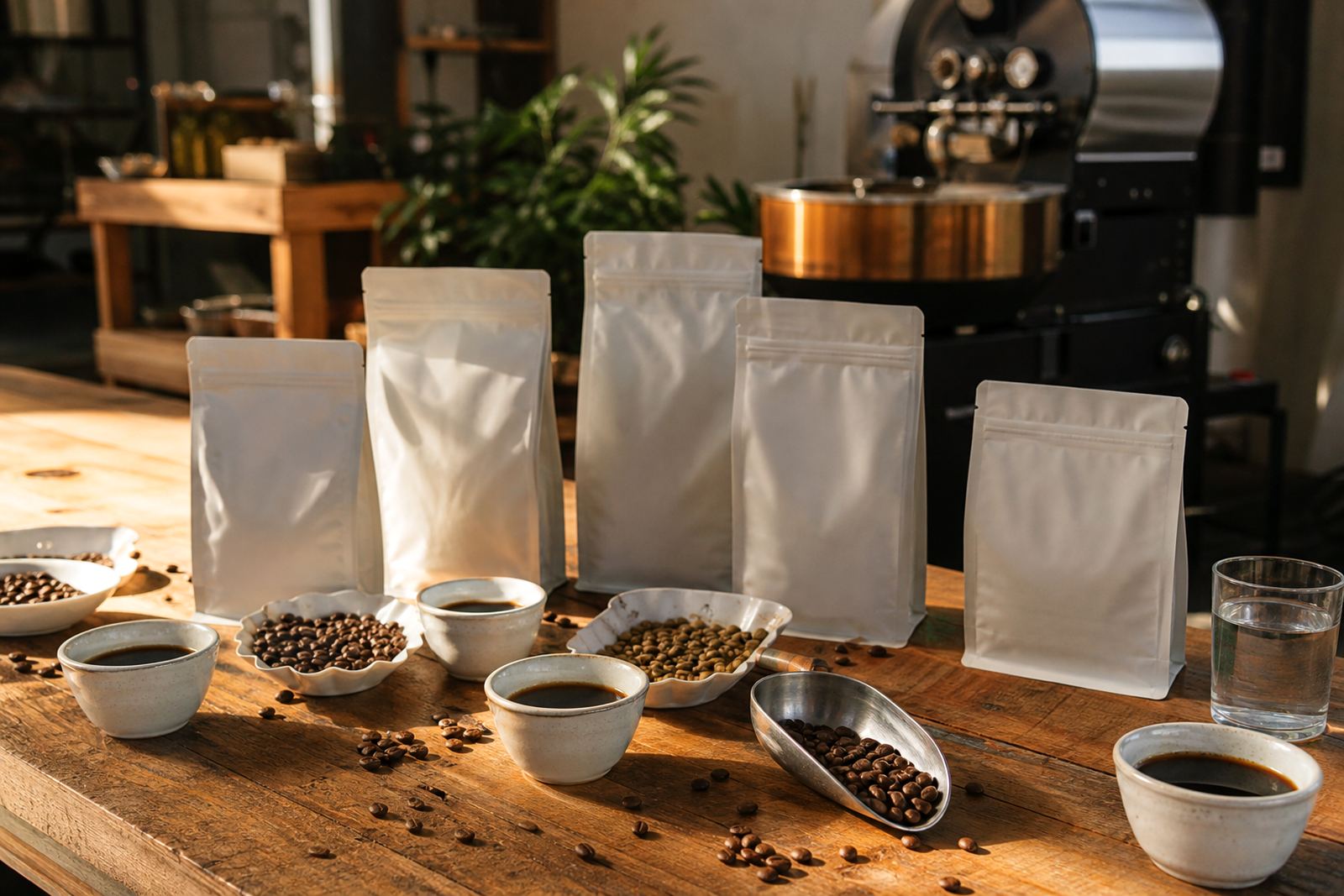
We supplied a seasonal single-origin filter rotation, selected for clean acidity, natural sweetness and a cup profile that holds well in batch brew service. The roast levels were kept on the lighter side so the café could present a brighter cup without losing body. Each delivery was packed for the shop's expected pace, with stock planning built around weekly movement and likely weekend spikes.
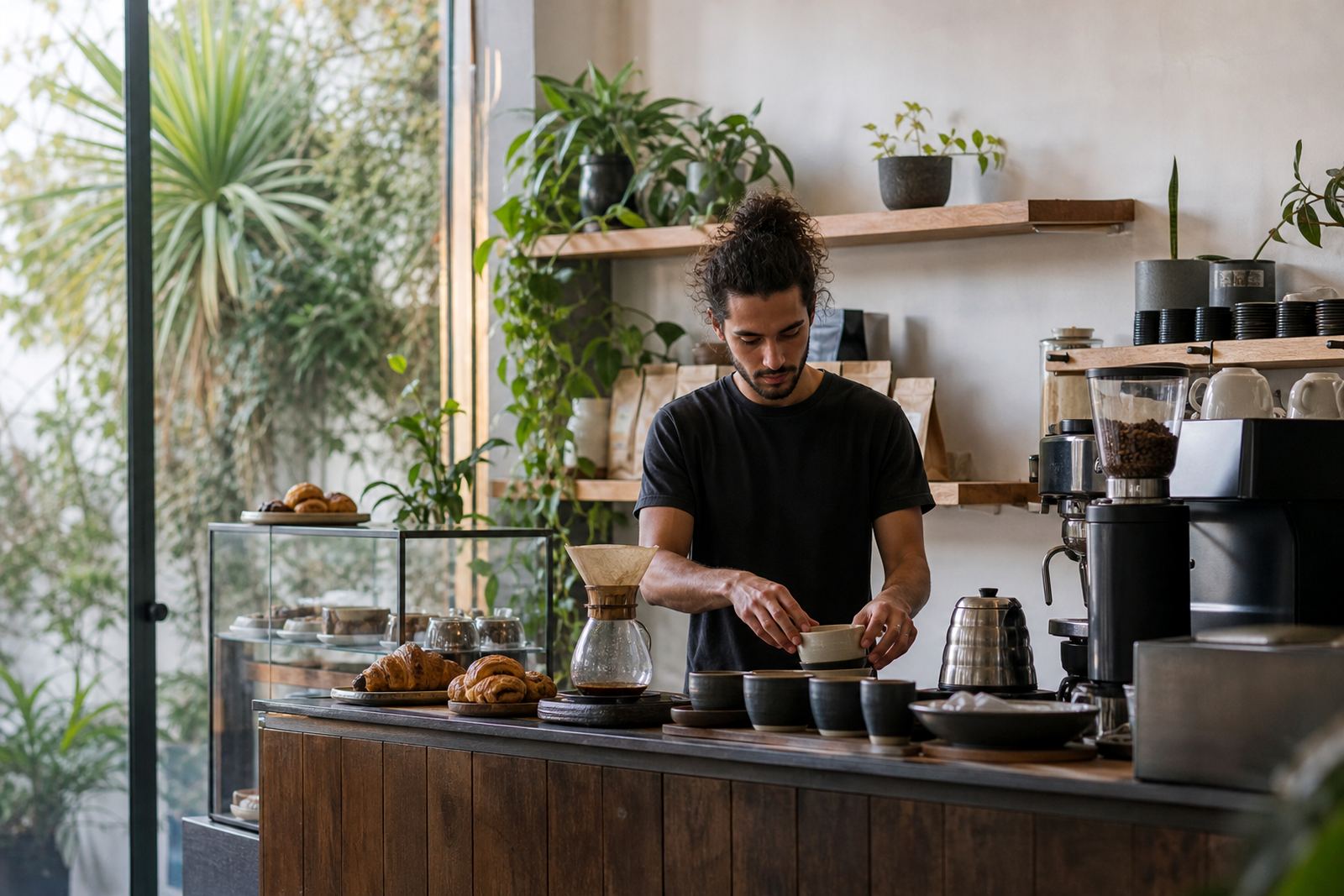
On site, we helped shape the brew station and dialled in grind calibration, water-to-coffee ratios and batch timing. We also set up a simple brew sheet for staff, so the same method could be followed by different team members on different shifts. That made a real difference, because in a busy café consistency is often the first thing to slip.
We worked with the team on menu wording as well. The coffee needed to read clearly for customers who may not know the difference between origins or processes, so the language stayed practical and friendly. Jason and Naledi worked closely with the café team on scheduling and tasting notes, while Ayanda helped finalise the roast approach for the style of service they wanted.
- Single-origin filter rotation with lighter roast development
- Brew station layout and workflow adjustments
- Grind calibration for the café's equipment and batch size
- Staff brew sheet with dose, yield and timing targets
- Simple menu language for customer-facing use
A six week rollout from tasting to opening week
The project moved from first tasting to launch over six weeks. Week one was for tasting, menu direction and site assessment. Week two focused on supply planning and finalising the brew method. By week three, we had test batches in the café for staff to trial during real service periods, not just in a quiet morning slot.
Weeks four and five were used for training and fine tuning. That included adjusting grind size for the café's water and room conditions, checking extraction against the equipment they already had, and making sure the team could repeat the same cup under pressure. In the final week we supported the launch service and checked that stock flow, labelling and prep timing all made sense once customers started ordering it at pace.
The rollout was not complicated, but it needed steady follow through. One thing that helped was keeping the process lean. There was no overworked menu language or extra station clutter, just a clear coffee offer that staff could actually keep up with day after day.
- Week 1: tasting, brief and site review
- Week 2: supply plan and brew method sign-off
- Week 3: live test batches during service
- Weeks 4 to 5: staff training and calibration
- Week 6: launch support and final adjustments
Results on the floor and in the cup
After launch, the café had a sharper coffee identity that matched the rest of the room. Customers responded well to the clearer flavour profile and the staff found the filter offering easier to explain, which helped move more cups during morning and midday service. The café also reported less waste because stock planning was tighter and the team knew exactly what to brew and when.
The single-origin rotation gave them room to talk about origin, season and taste without making the menu too complicated. Regulars appreciated having something new to try, while office customers liked that they could order a clean, consistent cup without waiting long. The biggest gain was probably confidence at the counter. Once the team knew the method, they could serve with less hesitation and fewer remakes.
- Clearer filter coffee identity for the café
- Fewer remakes thanks to tighter brew control
- Better stock use and less waste
- Faster staff confidence at the till and brew station
- Stronger daytime coffee sales from regulars and walk-ins
What we would do again for a café like this
We would take the same approach again for any small city café wanting to improve its coffee offer without making service harder. Start with the room, the staff and the actual pace of trade. Then build the coffee programme around that, not the other way around. A smart filter setup has to be practical first, otherwise it becomes something the team uses only when it is quiet.
For a café like this, we would again keep the origin list tight, train to the way the shop really operates, and build in stock forecasting from the start. We would also keep the menu wording simple. Customers do not need a lecture, they need a cup they can trust and a reason to order it again. That is what worked here, and it would work again in another Gardens location or a similar neighbourhood café in Cape Town.
- Keep the offer focused and easy to explain
- Train for actual service conditions, not ideal conditions
- Plan stock around real trade patterns
- Use seasonal rotation to keep the offer fresh
- Make the brew method simple enough for every shift
Key facts
| Client type | Neighbourhood café |
|---|---|
| Town | Gardens, Cape Town |
| Project duration | 6 weeks |
| Coffee style | Single-origin filter programme |
| Core services | Coffee Supply, Brew Station Setup, Grind Calibration, Brew Training, Coffee Menu Planning, Stock Forecasting |
| Rollout format | Weekly supply with staff training and launch support |