
What makes Guatemala Antigua a reliable daily cup
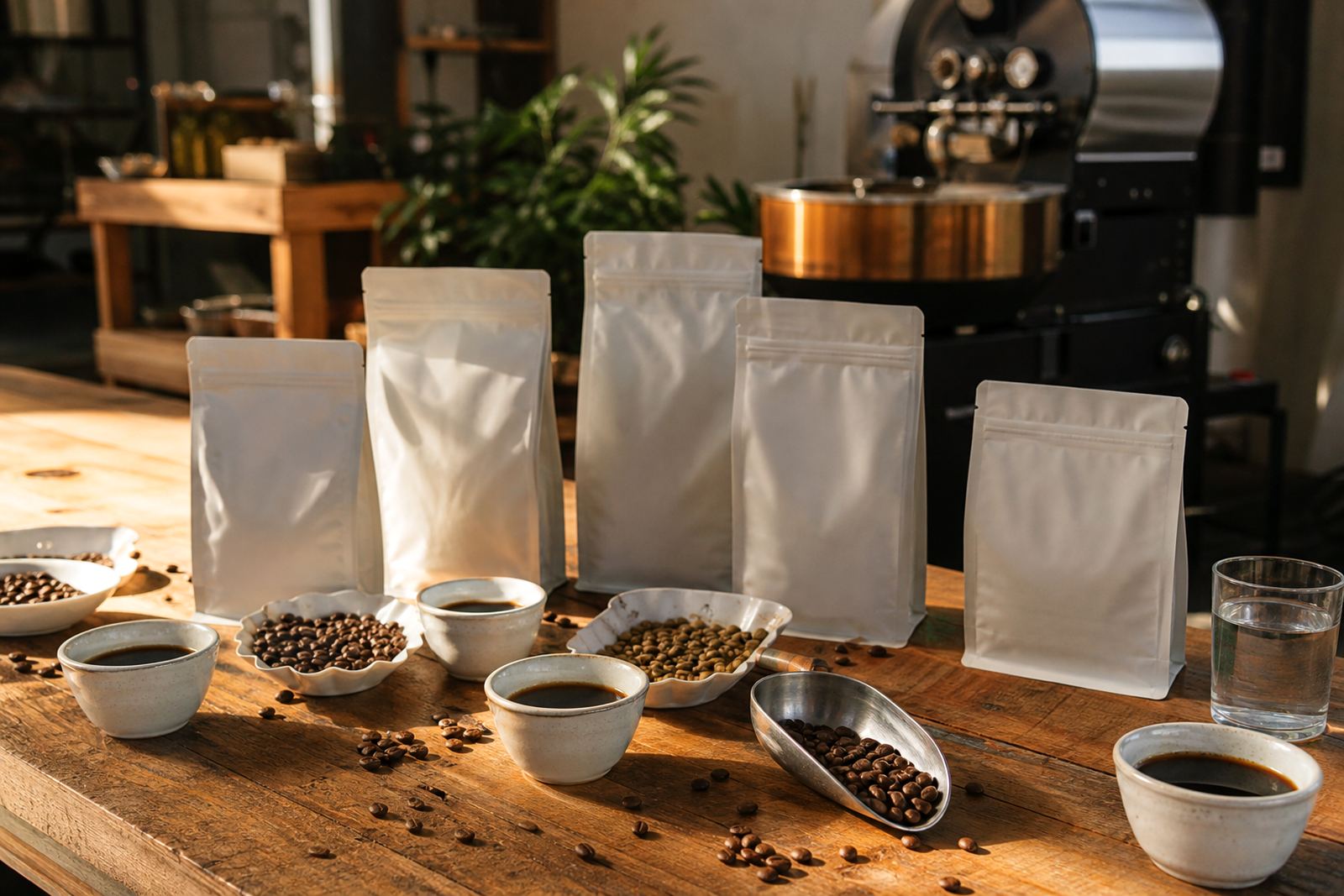
Guatemala Antigua comes from a highland growing region known for steady flavour and a cup that stays composed across different brew methods. At A Cup Of, we roast it to show a balanced body first, with cocoa depth up front and a gentle citrus lift that keeps the finish tidy. It is the sort of coffee that suits people who want flavour without fuss, whether they drink it black or with milk.
The profile is easy to live with in homes, offices and hospitality settings because it does not swing too far into sharp acidity or heavy roast character. You get enough brightness to keep the cup interesting, but it still feels calm and polished. For many customers, that makes it a safe choice for a house espresso, a filter rotation or a steady office batch brew. It is dependable in summer heat and still satisfying in cooler weather, which matters when you are serving many cups through the day.
Roast style, origin and tasting notes
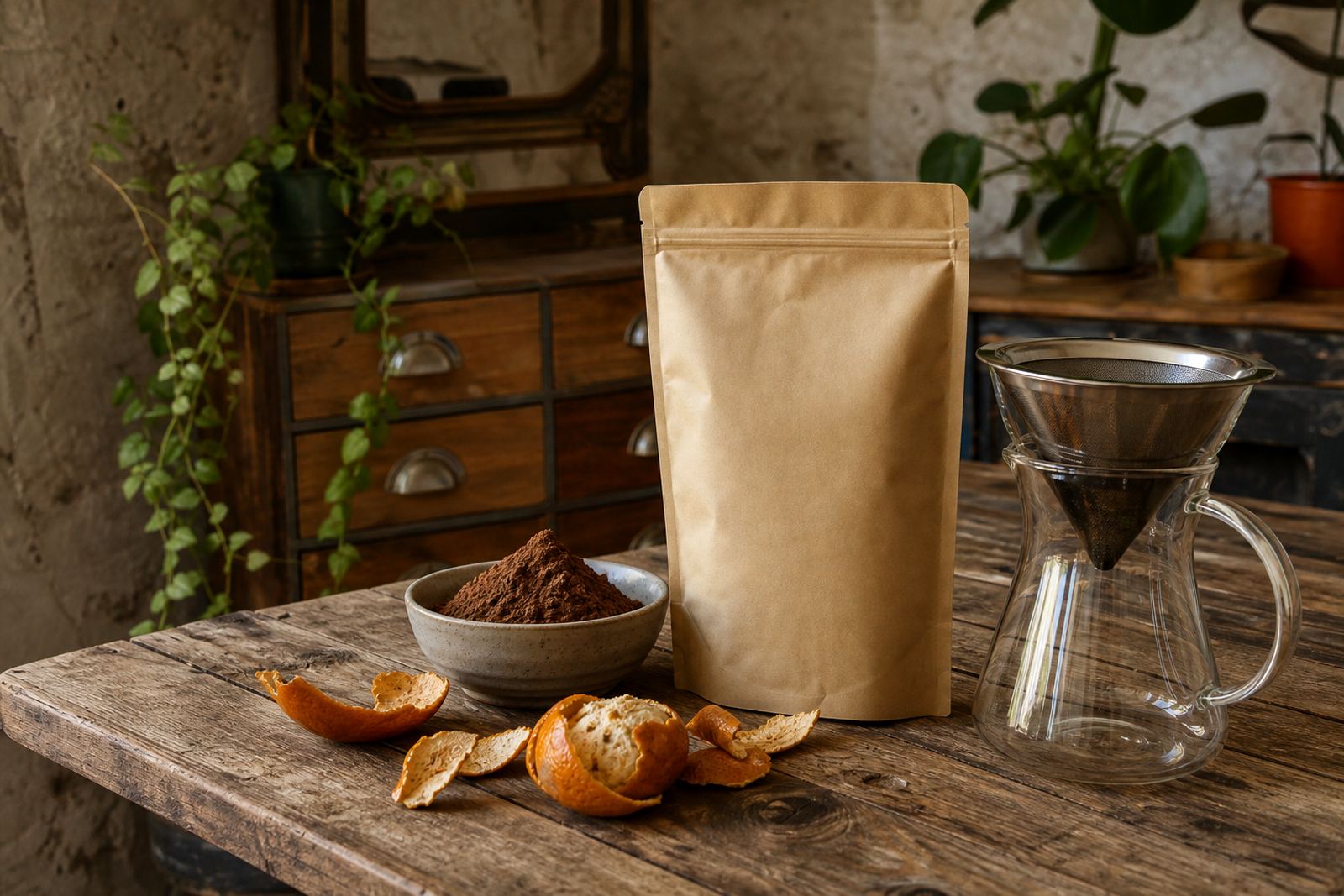
We roast Guatemala Antigua to medium level so the origin character stays clear. The aim is to keep the cocoa and stone fruit style notes intact while giving the cup enough sweetness to round out the citrus. It is a single-origin coffee, so the flavour is not blended away. That makes it useful for people who want to taste the region in the cup and compare it side by side with other origins.
- Tasting notes: cocoa, gentle citrus, light caramel, soft dried fruit
- Body: medium, smooth and even
- Acidity: moderate and clean, not sharp
- Finish: neat, with a mild cocoa aftertaste
- Best at: 7 to 21 days after roast for most brew methods
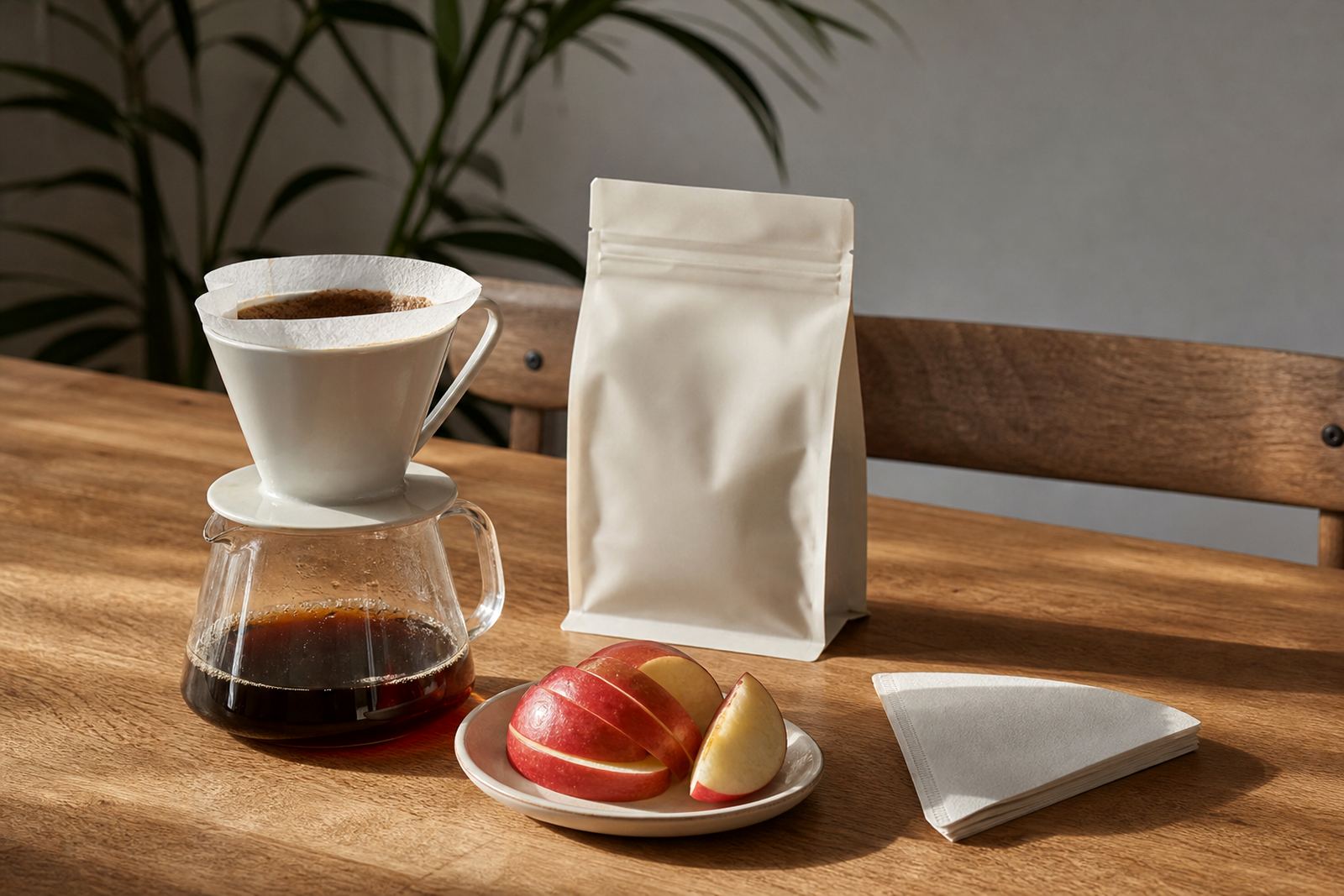
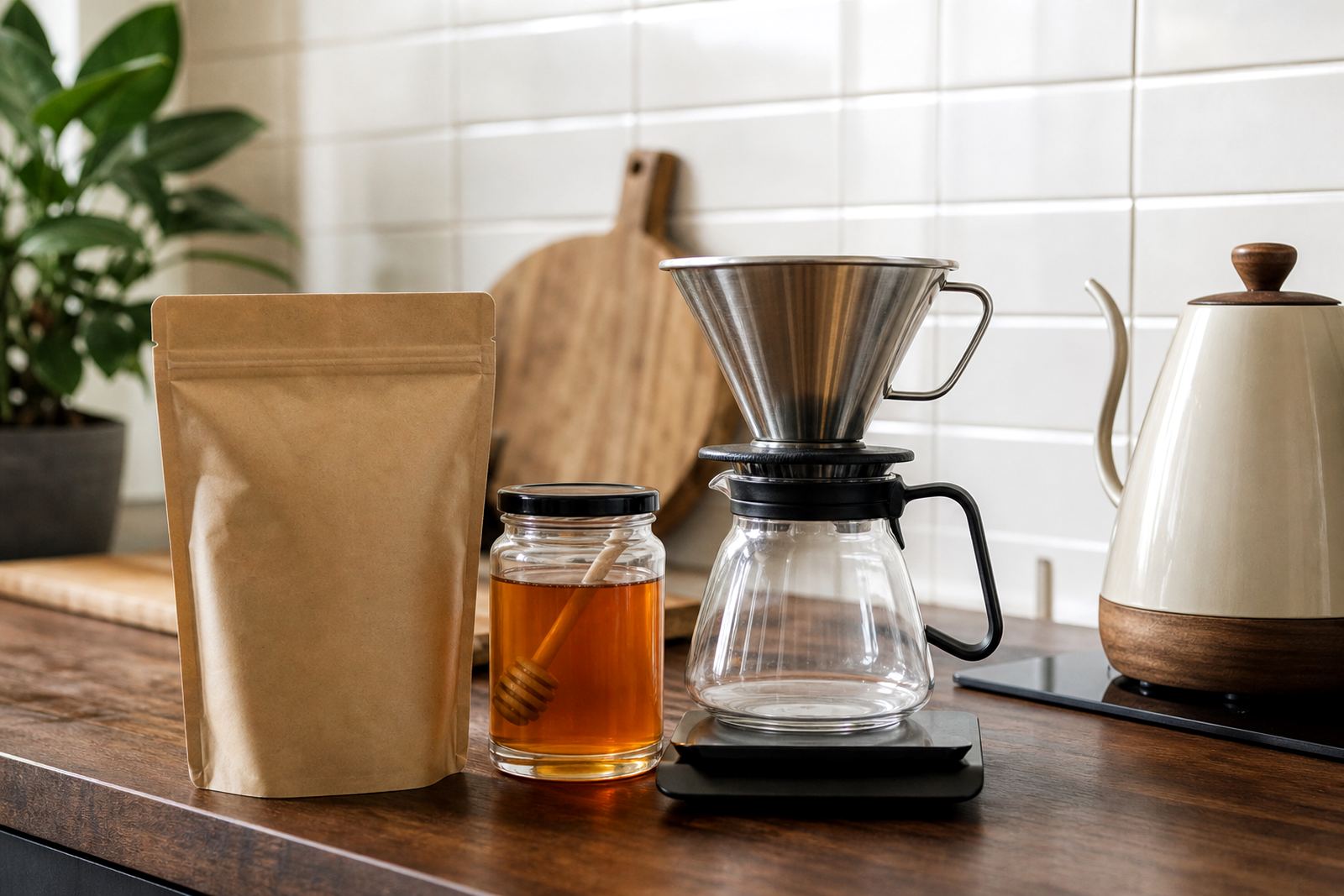
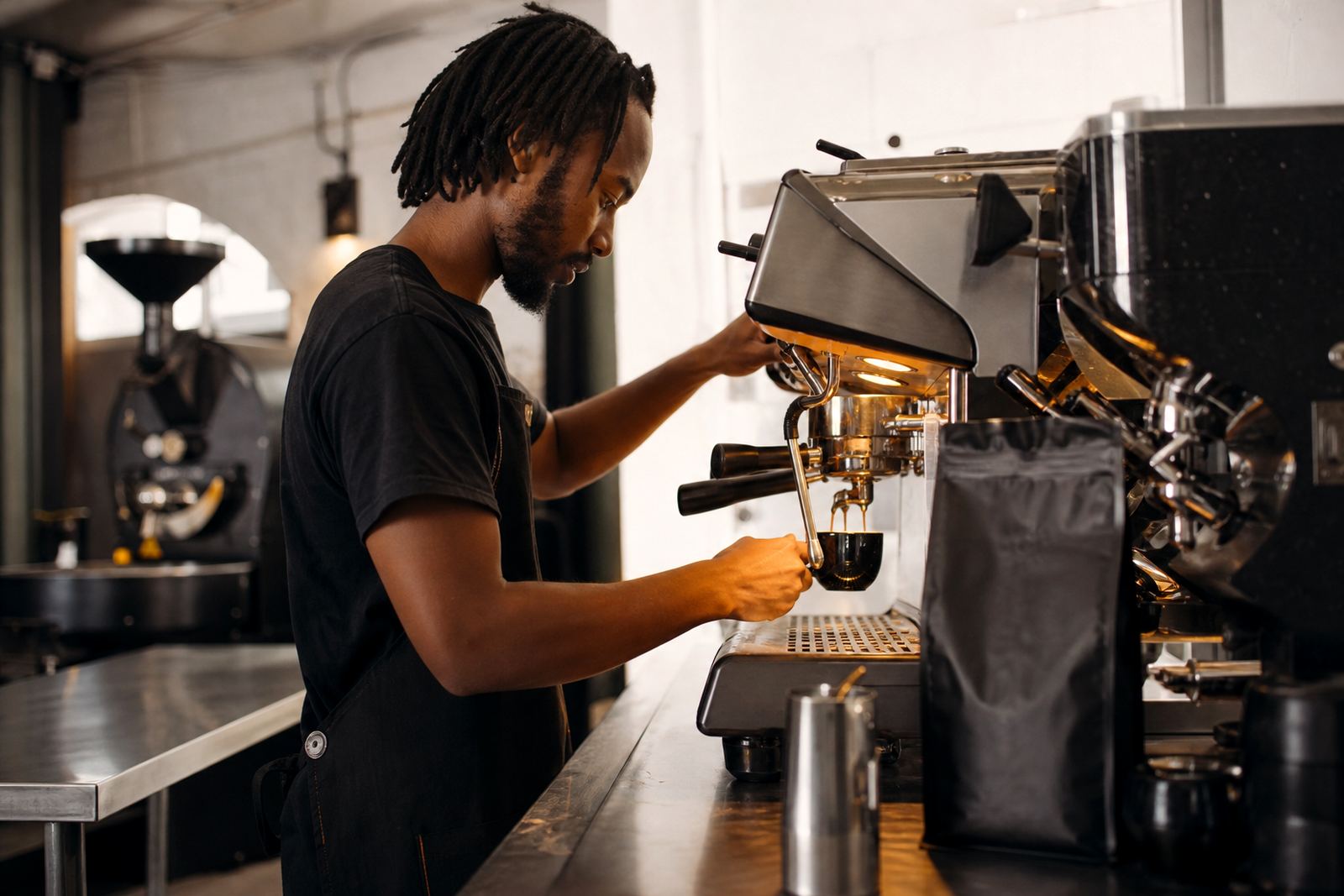
If you prefer a sweeter cup, let it rest after roasting before opening the bag. If you brew espresso, a slightly finer grind can bring out more cocoa and reduce the citrus edge. For pour-over, use water that is hot but not boiling, and you will get a cleaner finish with a bit more lift.
Sizes and grind options for home or office use
Guatemala Antigua is available as whole bean and in grind options matched to common brewing methods. Whole bean is best if you want full control over freshness and grind size. If you are running a household or office with one setup, a pre-set grind can save time and reduce waste. We also help customers choose the right pack size based on how many cups they make each week, which is useful for subscription orders and regular supply.
- 250 g bag: good for trial orders or light home use
- 500 g bag: practical for regular home brewing or smaller teams
- 1 kg bag: suited to offices, cafes and higher-volume service
- Whole bean, espresso grind, filter grind and plunger grind options
- Subscription or once-off supply available
For most homes, 250 g lasts about one to two weeks depending on brew volume. A 1 kg bag suits offices that make coffee through the morning and after lunch. If you are ordering for multiple locations in Cape Town, Johannesburg, Pretoria, Durban or Gqeberha, it helps to standardise the size so stock forecasting stays simple.
Where this coffee suits best
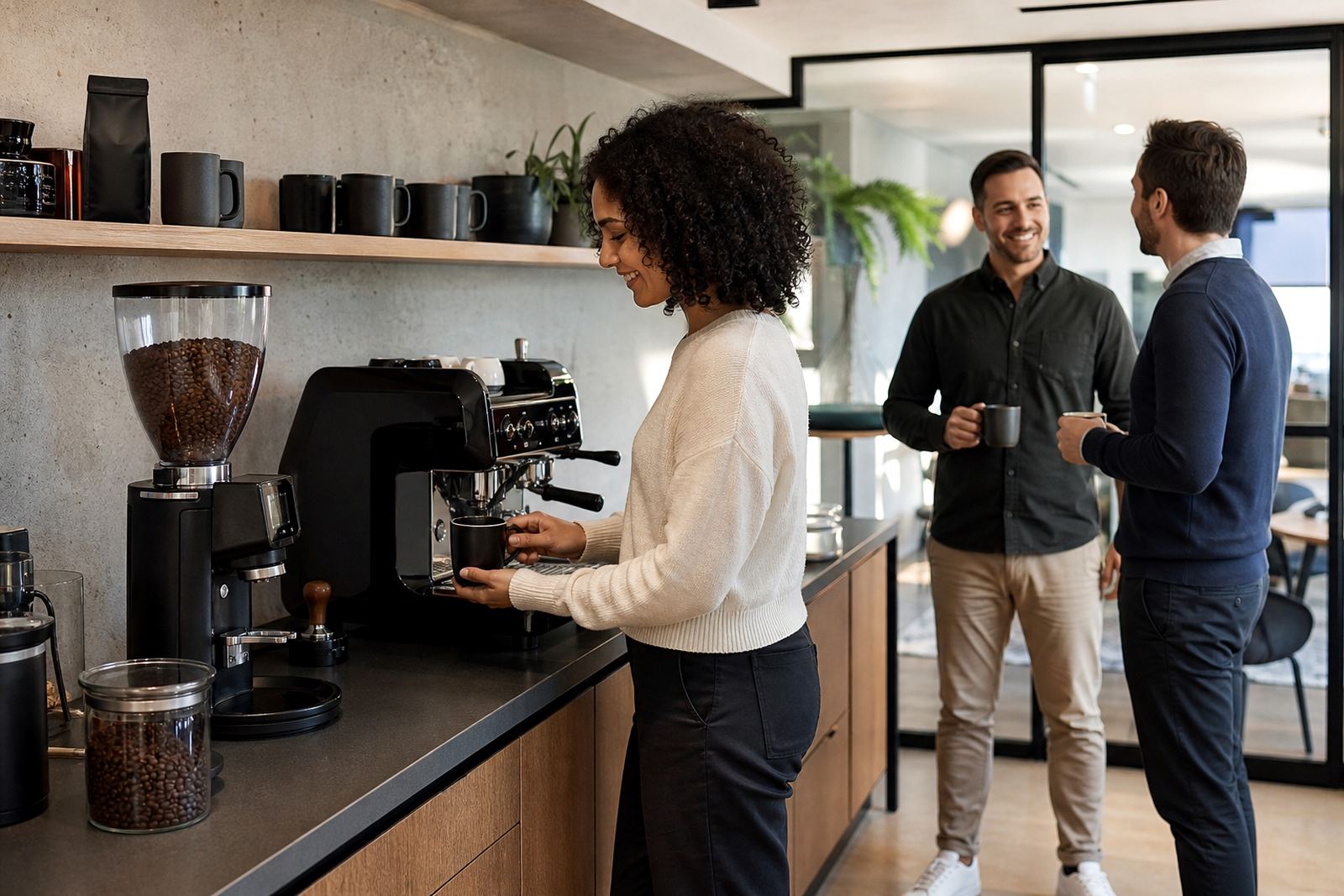
This coffee fits a wide range of service points because it is balanced and predictable. It works well in meeting room coffee where the aim is to keep guests comfortable, and it is equally useful in wellness rooms or client areas where you want a calmer cup rather than something punchy. In hospitality settings, it pairs neatly with breakfast service, filter stations and simple espresso menus. The flavour reads well with milk, but it still has enough structure to hold its own in a black cup.
It also suits offices that want one origin to cover different brewing styles. If the same coffee is used for batch brew, espresso and a plunger station, the team does not have to manage too many moving parts. That helps when load-shedding or staff changes make the day less predictable. For coastal areas like the Atlantic Seaboard and Southern Suburbs, store the bags in a cool dry place away from steam and direct sunlight so the beans keep their freshness better.
Brew setup, power needs and practical use
Guatemala Antigua itself has no installation requirement, but your brew setup does. If you are using a grinder, espresso machine, batch brewer or hot water system, make sure the power supply matches the equipment load and that plugs are placed where staff can work safely. In South African workplaces, it is also worth checking how the coffee station sits with municipal rules, sink access and waste water handling before you set up a new service point.
For coffee equipment, the practical checklist is simple:
- Standard 230 V electrical supply for grinders and brewing equipment
- Enough counter space for grinder, brewer, scale and storage jars
- Fresh water supply for espresso or batch brewing equipment
- Drainage or safe waste water handling where needed
- Backup plan for load-shedding if the coffee station must stay operational
If the coffee will be used in a mobile setup or event station, ask us to plan around expected foot traffic, cup counts and power access. That avoids slow service and keeps the brew consistent even when the room gets busy.
Care, storage and servicing for steady flavour
The coffee stays at its best when stored sealed, cool and dry. In humid coastal conditions, do not leave open bags near dishwashers, steaming equipment or windows that catch afternoon heat. Once opened, use the coffee in a sensible rotation and keep an eye on dose and grind changes. Small changes in humidity can shift the cup, especially with espresso, so a quick grind adjustment may be needed from week to week.
For service teams, basic care keeps the flavour steady:
- Clean grinders regularly so old fines do not mix into the next batch
- Flush brew equipment before service starts
- Check water temperature and extraction time when the cup tastes flat or sour
- Rotate stock so older bags are used first
- Recalibrate after changes in roast date or brew volume
We can support grind calibration, brew training and seasonal coffee rotation if you are running a changing menu. That is especially useful for hospitality teams and offices that want the coffee to taste the same from one week to the next.
What to check before you place an order
Before ordering Guatemala Antigua, decide how it will be brewed and who will be drinking it. A small home order needs different grind and pack sizing from a shared office supply or event plan. If you are using it for a coffee menu, check whether you want it as a core house option, a seasonal feature or part of a two-origin offering. That will guide how much stock you need and how often it should be rotated.
Use this quick checklist:
- Preferred brew method: espresso, filter, plunger or batch brew
- Bag size needed and expected weekly usage
- Whole bean or pre-ground
- Delivery area and timing, especially for office replenishment
- Whether you need subscription management or once-off supply
If you are unsure, send an enquiry through the contact page and we will help you choose the right grind, volume and supply schedule. That is often the simplest way to avoid waste and keep the cup quality where it should be. A little planning upfront saves time later, and the coffee tastes better for it.
Key facts
| Origin | Guatemala, Antigua |
|---|---|
| Type | Single-origin speciality coffee |
| Roast level | Medium |
| Tasting notes | Cocoa, gentle citrus, light caramel, soft dried fruit |
| Available sizes | 250 g, 500 g, 1 kg |
| Grind options | Whole bean, espresso, filter, plunger |