


What this espresso roast is built to do
Espresso Roast is developed for syrpy shots with a deep cocoa base, rounded sweetness and enough structure to cut through milk. The roast profile is aimed at steady extraction, so the coffee tastes balanced on a home machine, a small office setup or a busy hospitality bar where repeatable results matter.
It works well as a single espresso or in milk drinks such as flat whites, cappuccinos and lattes. If you need a coffee that performs across different grinders and water conditions, this is a practical choice. In Cape Town, Johannesburg or Durban, where water chemistry and humidity can shift from one site to another, that consistency is useful.
- Roasted for espresso extraction and milk based drinks
- Sweet, full bodied cup with low sharpness
- Suitable for home, office and hospitality use
Sizes and supply options for homes, offices and cafés
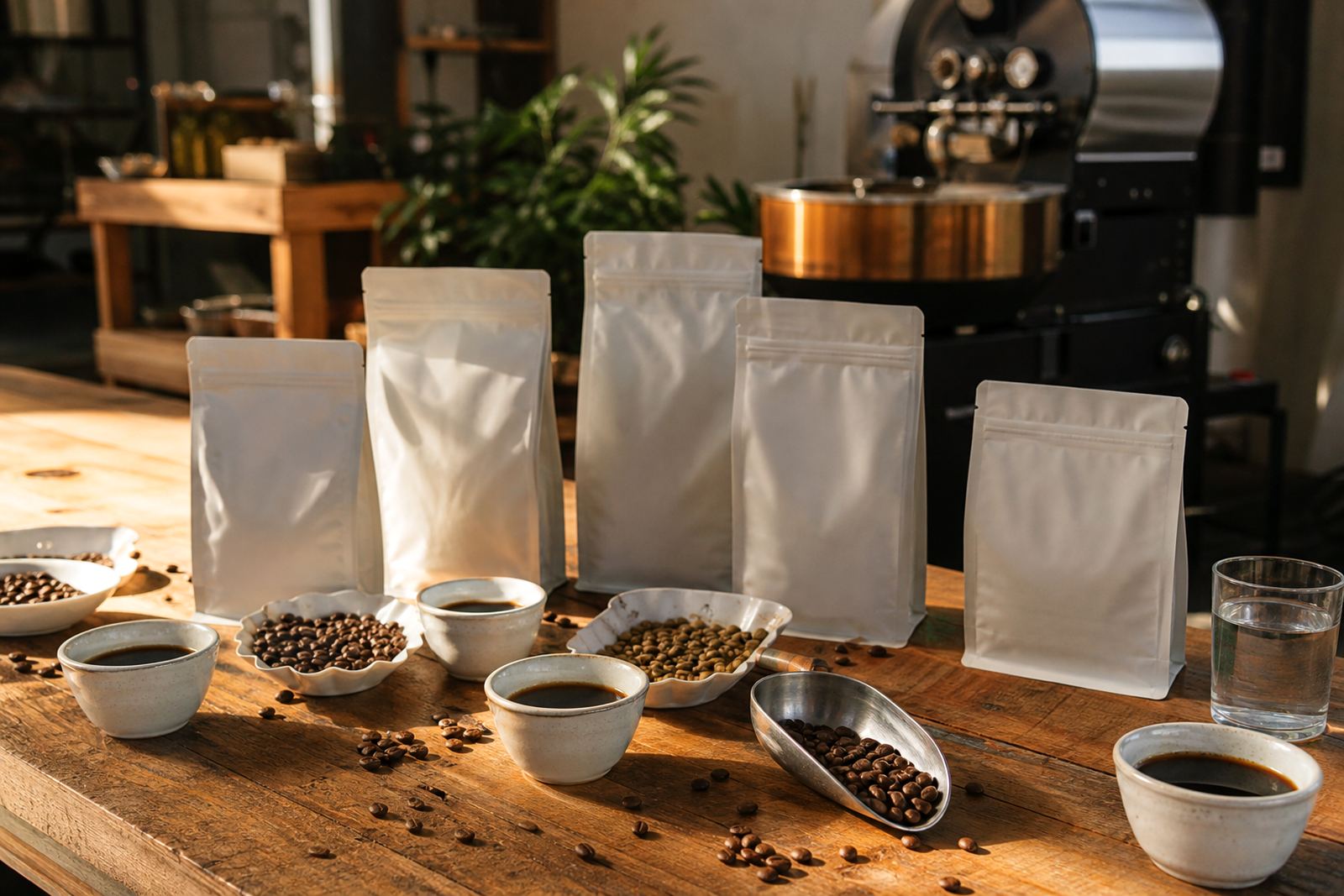
The roast is available in a range of pack sizes so you can buy for a single household, a small team or a full service counter. For most homes, 250 g works well when you are dialing in a grinder or using coffee every day but not in large volumes. 1 kg bags suit offices, meeting rooms and venues that go through coffee quickly.
For wholesale and subscription customers, supply can be planned around weekly, fortnightly or monthly use. That helps when you are managing stock for a reception area, wellness room or coffee station where running out mid week is not an option. If you serve guests, buyers often order a little extra for wastage during grind changes and machine purges.
- 250 g for home brewing and testing grind settings
- 500 g for small teams or regular home use
- 1 kg for offices, cafés and higher volume service
- Subscription or once off supply available through the enquiry form
Where this roast fits best in daily service
This coffee suits places that need a dependable espresso with a sweet finish and good milk balance. It is a strong fit for coffee bars, workplace kitchens, guest areas, boardrooms and events where a clean cup and quick service are important. The roast also works well for seasonal menu planning because it stays versatile across black and milk drinks.
In hospitality settings, it is often used for service that needs speed without sacrificing flavour. For offices, it keeps the coffee familiar enough for most drinkers while still giving a proper espresso character. It can also suit training spaces where staff need to learn extraction without fighting an overly bright or brittle roast.
- Hospitality counters and breakfast service
- Office kitchens, meeting rooms and reception areas
- Events, tasting tables and pop up service
- Home espresso stations with grinder control
Machine setup, power and gas considerations
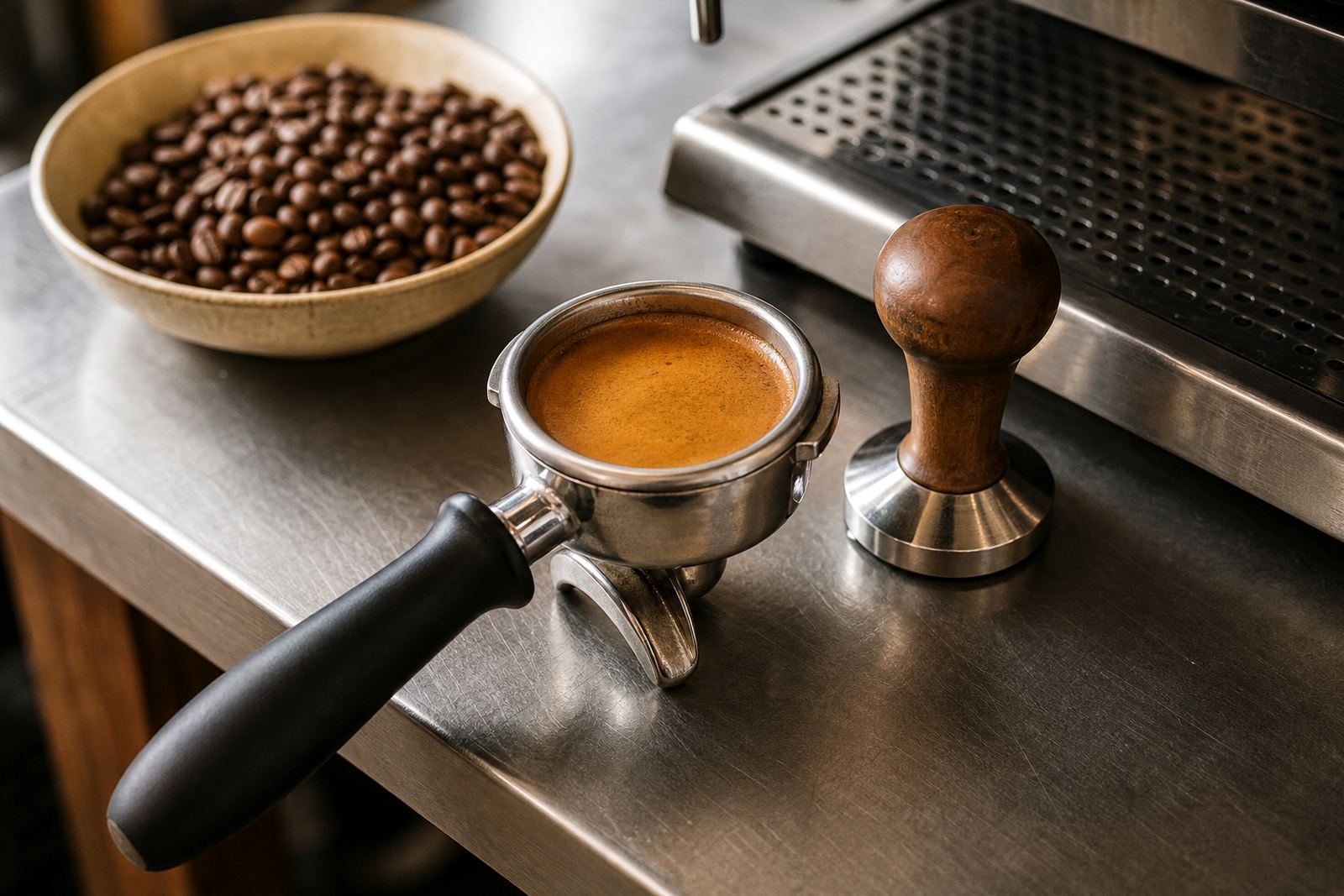
Espresso Roast is suitable for any standard espresso machine setup that is correctly maintained and matched to the load of the site. The coffee itself does not need special equipment, but good performance depends on a stable grinder, fresh water, consistent tamping and a machine that reaches the correct brewing temperature. On sites with load shedding, a machine with a reliable recovery time or backup power may be needed to keep service moving.
For larger cafés or catering setups, check whether your machine uses electric heating, a plumbed water line or gas support for certain equipment around the bar. The coffee can be served on single group, two group or multi group machines, but each site should check voltage, plug type and available circuit load before ordering equipment for a new counter. In humid coastal areas, keep beans sealed and away from heat so the oils do not stale too quickly.
If you are setting up a new station, a clean water source and stable grinding area matter more than anything else. A small change in water hardness can change shot time and crema, so it is worth testing before bulk ordering, especially in offices that use municipal water from different parts of the building.
How to dial in for sweeter shots
This roast is designed to give you room to adjust without losing body. For espresso, start with a standard brew ratio and adjust grind before changing dose. If the shot runs too fast, tighten the grind a little. If it tastes hollow or thin, extend the contact time and check that the basket is not underfilled. The goal is a shot that tastes sweet, weighted and clean on the finish.
Because the roast has dependable milk performance, it usually shows best when extracted for a short, syrupy shot rather than a long, weak pour. If you are serving multiple staff members or customers, lock in one recipe and keep the grinder marked clearly. That way everyone can repeat the same result without guessing.
- Use fresh beans and a clean grinder burr set
- Keep dose, yield and time written down for each machine
- Adjust one variable at a time when dialing in
- Store beans in a cool, dry place away from steam and sunlight
Care, storage and servicing notes
To keep the roast tasting right, store bags sealed and use them within a reasonable time after opening. In kitchens with steam, dishwashing heat or direct sun on the counter, beans stale faster than people expect. A sealed container helps, but it should not replace proper stock rotation. Use the oldest bag first and keep bulk stock off the floor.
Your grinder and machine need regular cleaning too. Oily coffee residue builds up in the chute, portafilter and steam wand area, which can affect flavour and slow service. Backflushing, brush cleaning and gasket checks should be part of the weekly routine. If a site serves coffee all day, servicing intervals should be shorter, not longer. Small faults become expensive very quickly, especially when the machine is under pressure.
For office and hospitality customers, it helps to keep a simple maintenance log. Note grinder changes, water filter swaps, group seal replacements and any changes in shot time. That record makes it easier to spot issues before they turn into downtime.
What to check before placing an order
Before ordering Espresso Roast, check how many cups you serve in a week, what drink styles you pour most often and whether you need a home, office or wholesale supply plan. If you are buying for a site with staff shifts or meeting room use, factor in a little extra for training and waste during setup. It is also worth checking whether your grinder is suited to espresso, because the roast will only perform properly when the grind matches the machine.
If you are planning a new install or menu update, think through these points before you place the order.
- Estimated cups per day or week
- Pack size and whether you need recurring supply
- Machine type, grinder condition and water quality
- Storage space, delivery timing and stock rotation
- Whether the coffee is mainly for milk drinks or short black espresso
Once those basics are clear, the roast is easy to slot into service. It gives you a sweet, steady espresso that works for homes, offices and venues that need coffee to behave the same way each time, not just on the first day.
Key facts
| Roast style | Espresso roast for syrupy shots and milk drinks |
|---|---|
| Pack sizes | 250 g, 500 g and 1 kg |
| Best use | Single espresso, flat white, cappuccino, latte |
| Origin profile | Single origin batches, seasonally selected |
| Recommended equipment | Espresso machine with quality grinder and filtered water |
| Storage | Cool, dry place in sealed packaging |