
What makes a limited microlot different
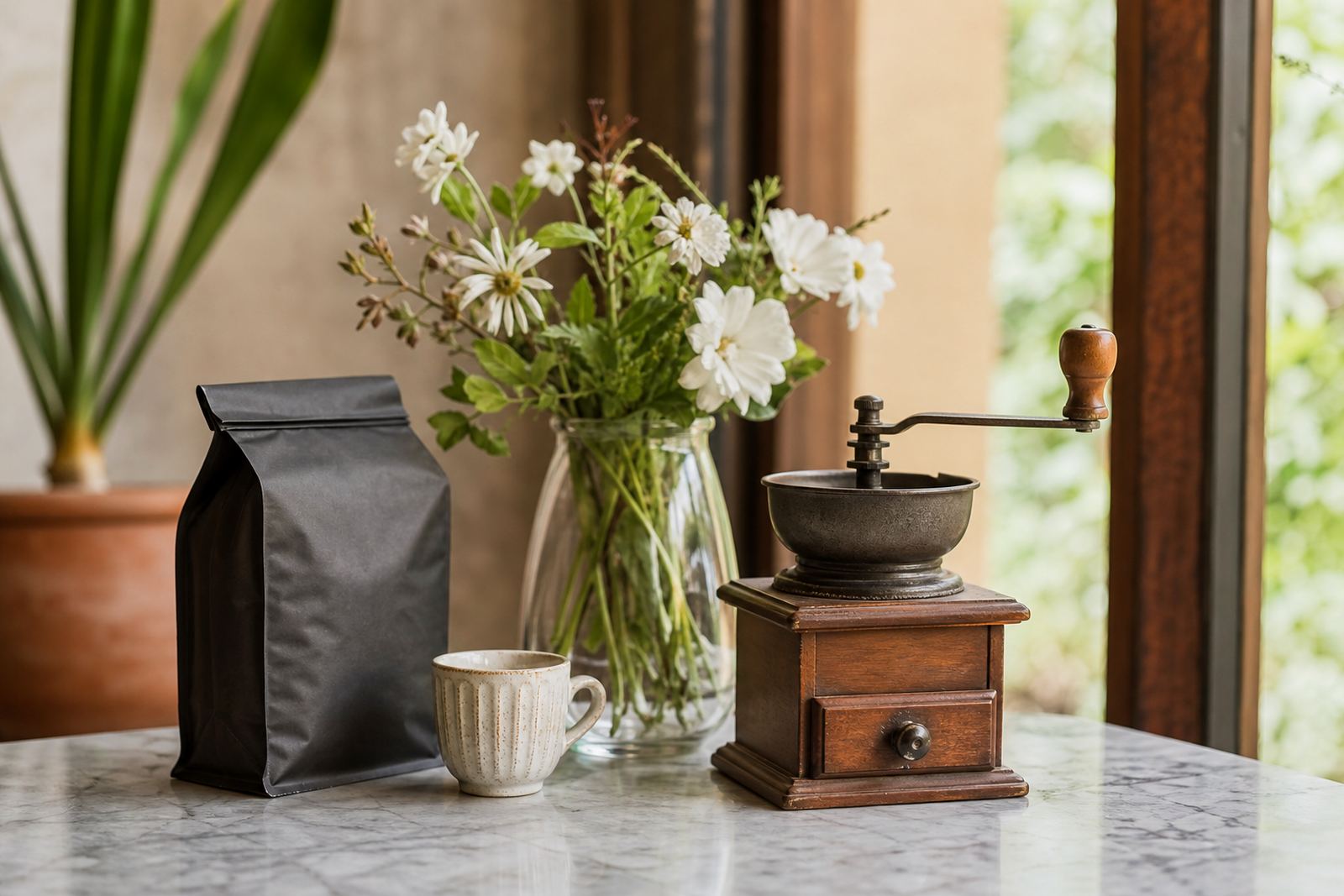
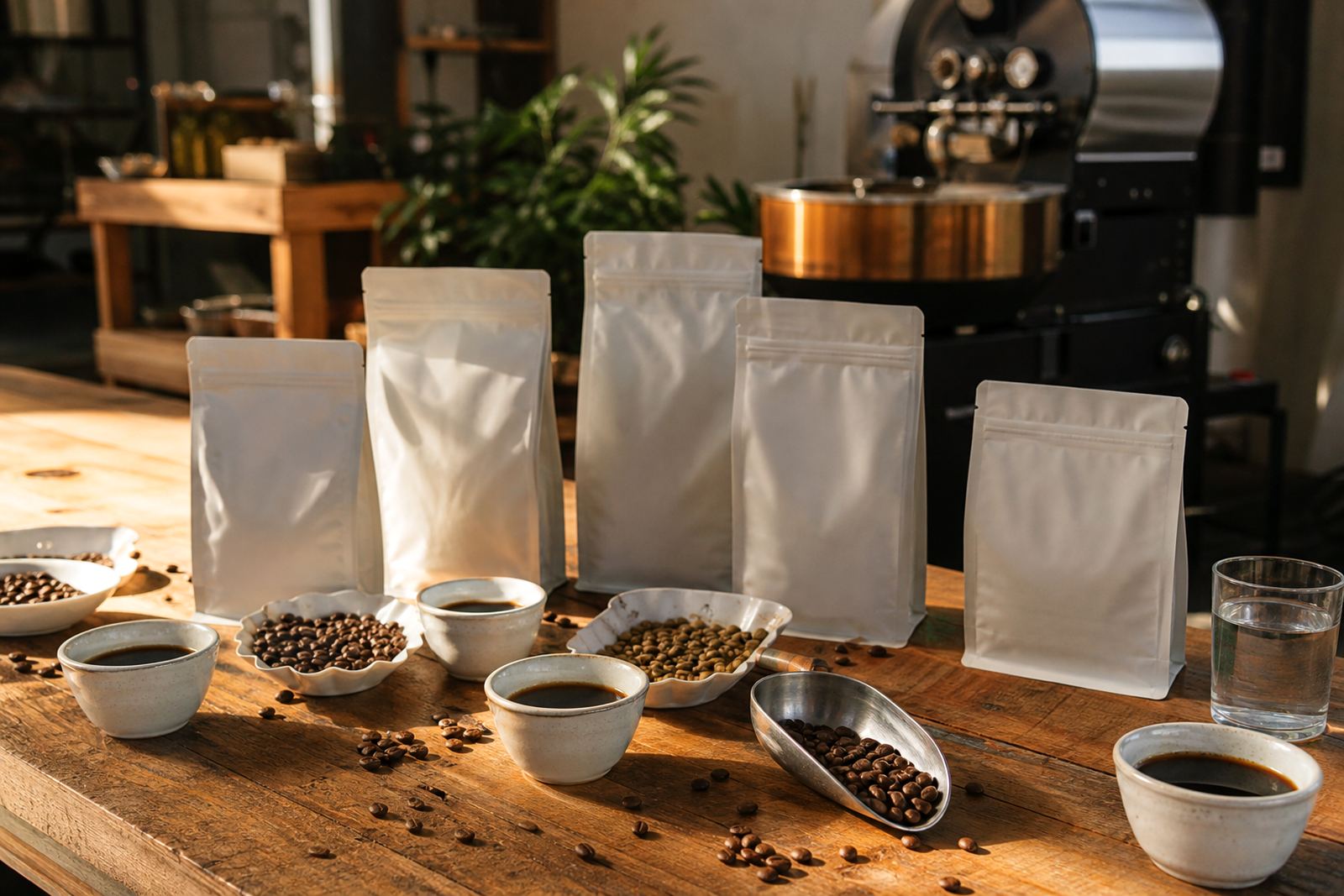
A microlot is a small, carefully separated lot of coffee from a specific farm, garden or section of a farm. Because it is kept separate from larger lots, it can show more detail in the cup, like fruit, florals, cocoa or spice depending on the origin and process. These coffees are usually selected for their higher scores, lower volume and clearer expression of place.
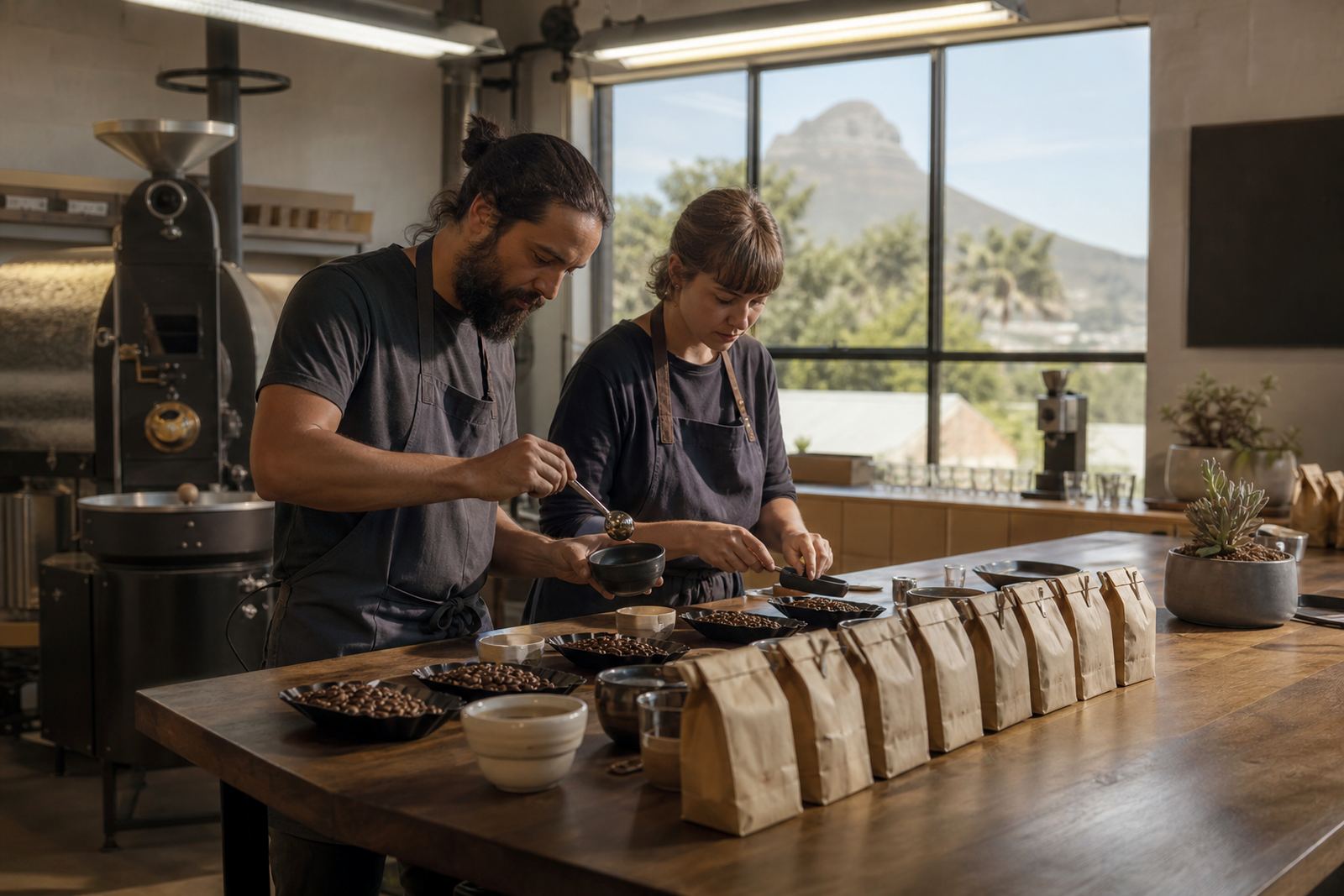
At A Cup Of we release limited microlots only when the green coffee reaches the standard we want for filter and espresso use. That means there may be fewer bags available, and once a batch is sold through we move on to the next release. The flavour can shift from season to season, so it suits customers who enjoy trying something new rather than sticking to one fixed profile.
Sizes, roast styles and subscription options
Limited Microlot is usually packed in 250g retail bags and 1kg bags for heavier users. For offices, guesthouses and cafés in Cape Town, Johannesburg, Pretoria, Durban and Gqeberha, we can also set up recurring supply so the same coffee arrives on a fixed schedule. Most customers choose whole bean, but we can grind to suit your brewer if you need it.
- 250g bag for home brewers and trial orders
- 1kg bag for offices, hospitality counters and shared kitchens
- Whole bean for the freshest grind at home or on site
- Ground options for filter, espresso or plunger brewing
Roast style depends on the lot. Some microlots show best as a light to medium filter roast, while others hold up well as espresso. We will note the best use on the pack or on your order confirmation so you know what to expect.
Where this coffee works best
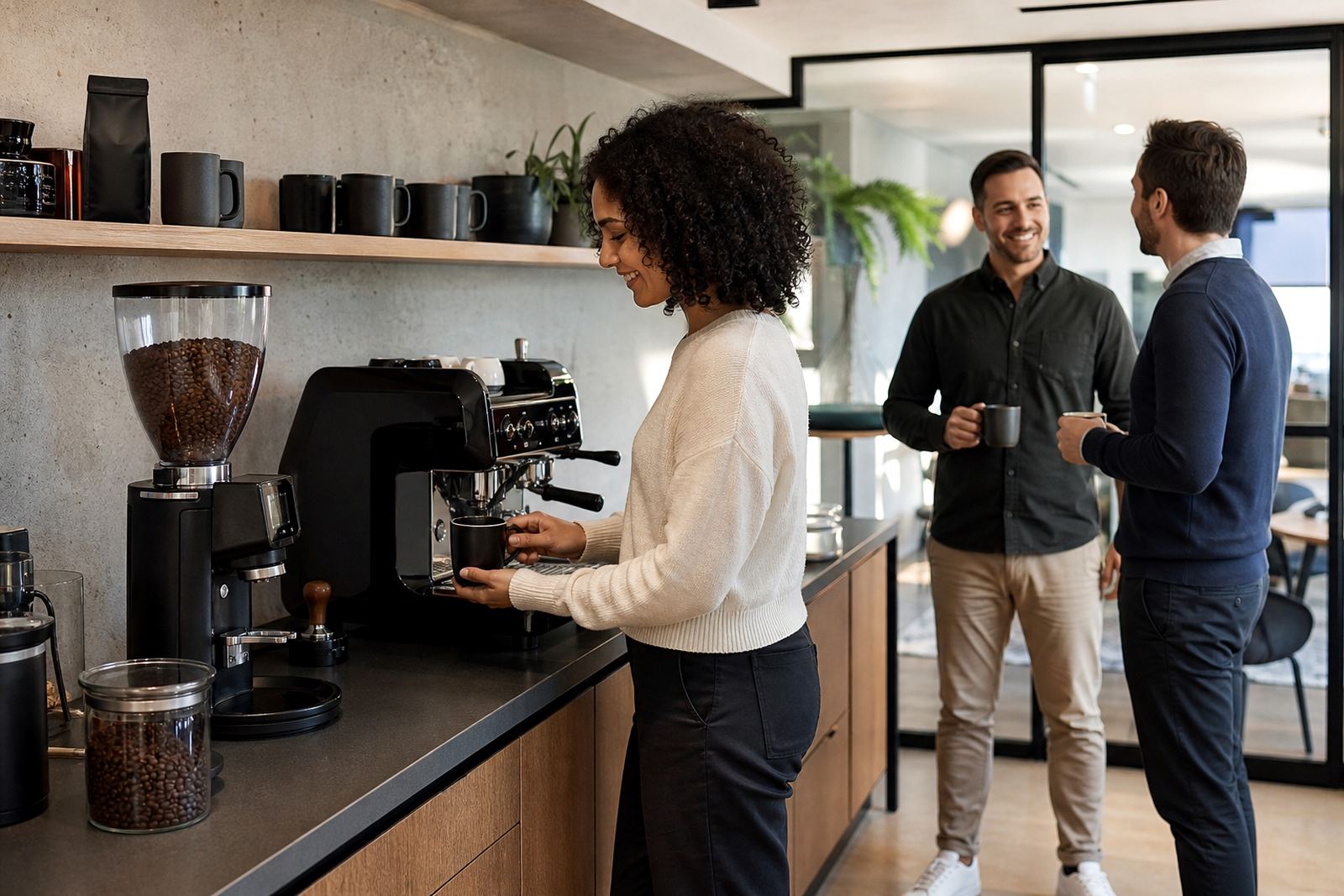
This coffee suits places where the cup is part of the experience. Think home brewing, tasting sessions, meeting room service, boutique hospitality, office coffee points and seasonal menu features. It is also a good fit for businesses that want to offer staff or guests something more specific than a standard house blend.
- Pour-over, batch brew and plunger at home
- Espresso bars that rotate single origins
- Boardrooms, wellness rooms and client lounges
- Small hospitality setups with limited daily volume
In coastal areas like the Atlantic Seaboard and Gqeberha, fresh storage matters because humidity can affect aroma and grind behaviour. In hotter inland offices, keep the bag away from windows, ovens and direct sun. If your team brews across long shifts or during load-shedding, an airtight container and a reliable grinder make a noticeable difference.
Brewing setup and power needs
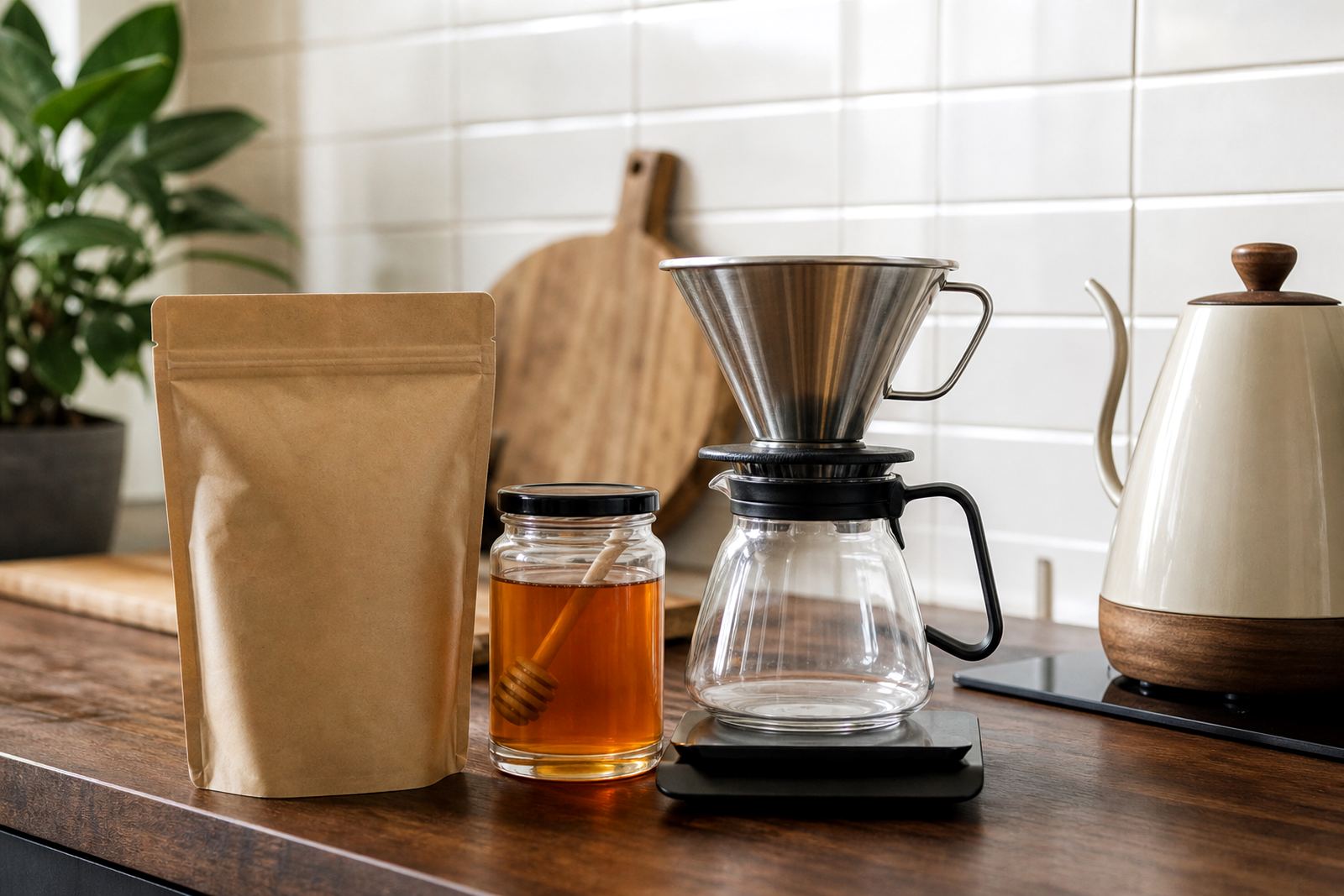
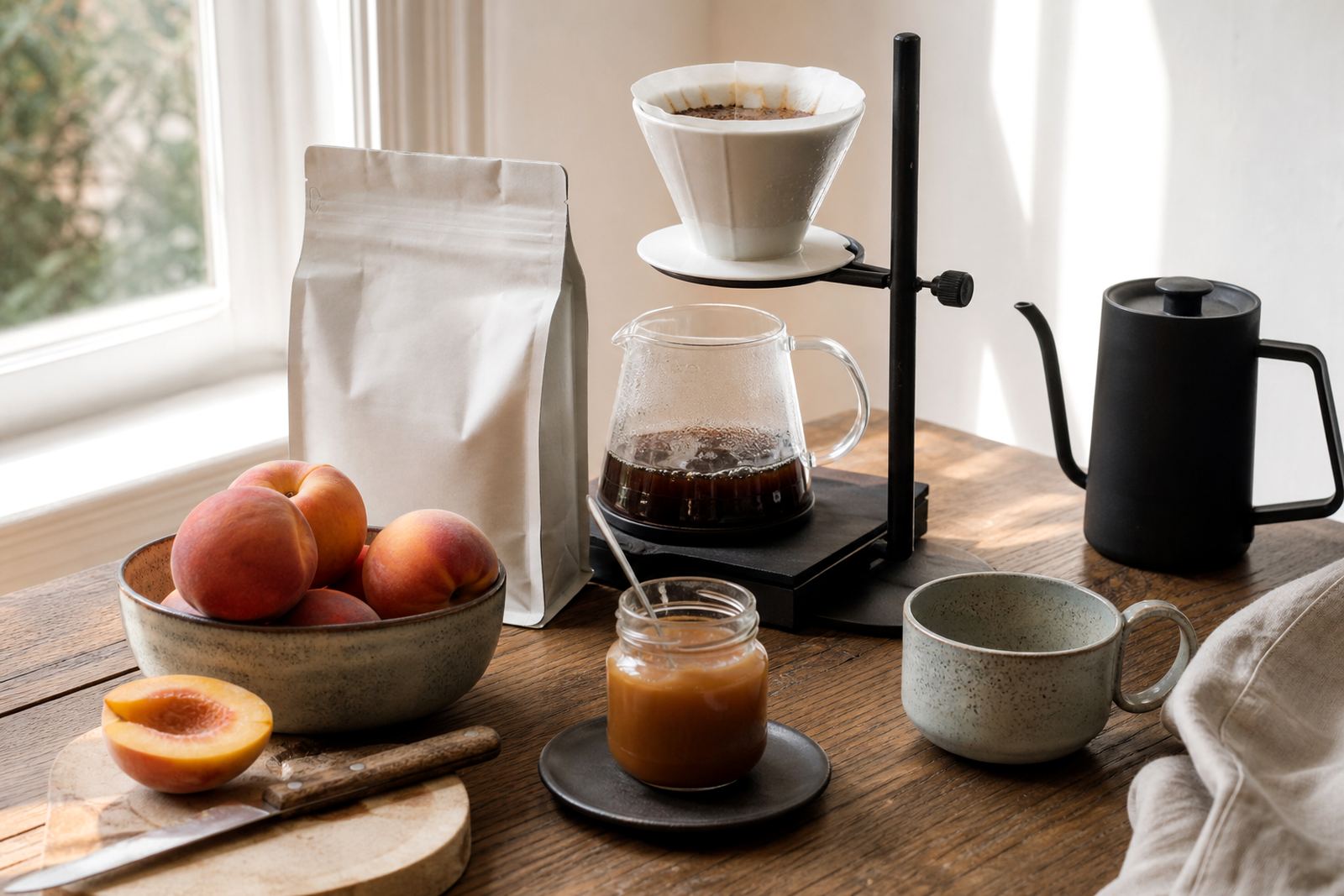
Limited Microlot does not need any special installation, but it does need the right brew kit to show its best side. For filter brewing, a gooseneck kettle, scale and burr grinder are enough. For espresso, use a machine with stable temperature control and a grinder that can make fine, repeatable adjustments. If your site uses a grinder and espresso machine, plan for a dedicated plug point and check that your electrical load can handle both units at once.
There is no gas requirement for the coffee itself. If your brewing station uses gas for hot water or catering, make sure the line is safe, compliant and positioned away from packaging and paper stock. For offices and hospitality spaces in Cape Town or Pretoria where power interruptions happen, it helps to have a manual brewing backup on hand so service can continue without drama.
Care, storage and daily servicing
Microlot coffee is more sensitive to poor storage than a darker blend, so treat it with care. Keep the bag sealed, store it in a cool dry cupboard, and only open what you plan to use within a reasonable time. Once opened, transfer the beans to an airtight container and avoid the fridge or freezer unless you know how to manage moisture properly.
If you are running the coffee through a grinder or machine, daily cleaning matters. Old oils and fines can flatten the flavours quickly, especially with lighter roasted coffee. Wipe the hopper, purge the grinder between batches and rinse brew parts each day. That small routine keeps the cup cleaner and saves money in the long run, no point letting good coffee go stale because of a dirty setup.
What to check before you place an order
Because this is a limited release, it helps to confirm a few details before ordering. That keeps the supply correct and avoids delays if you are planning for a function, office rotation or menu change. If you are unsure, our team in Woodstock can help you match the coffee to your brew method and usage level.
- Bag size you need: 250g or 1kg
- Whole bean or grind type required
- How you plan to brew it: filter, espresso or plunger
- How often you need top-ups for home, office or hospitality use
- Any flavour notes or origin profile you want for your menu
If the coffee is going into a shared space, it is worth checking storage space and turnover too. A microlot tastes best when it moves through the system quickly, rather than sitting open for weeks on end.
Key facts
| Product type | Limited single-origin microlot coffee |
|---|---|
| Format | Whole bean or ground to order |
| Pack sizes | 250g and 1kg |
| Roast profile | Light to medium, batch specific |
| Best for | Filter, espresso, plunger and tasting menus |
| Availability | Small-volume seasonal release, subject to stock |