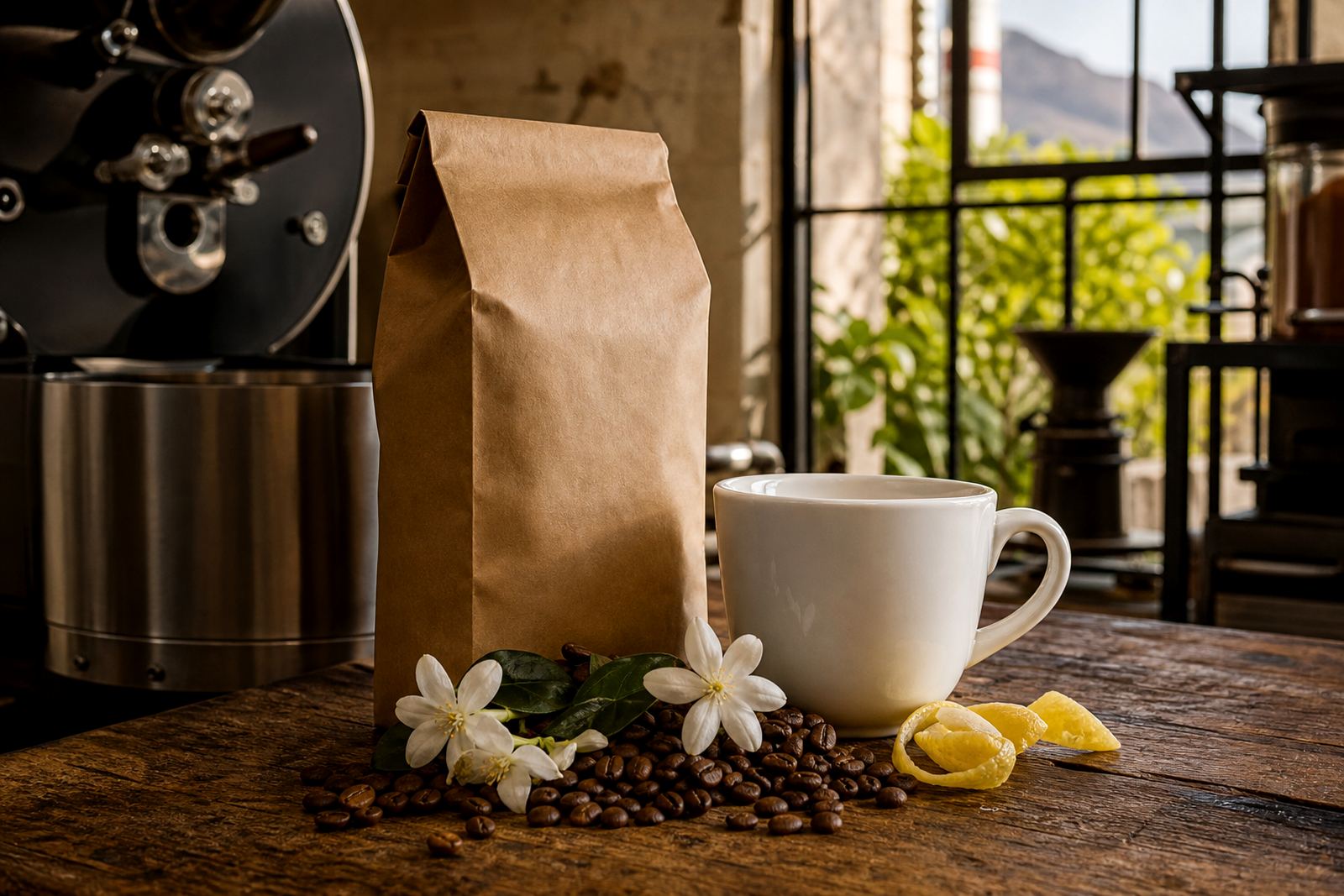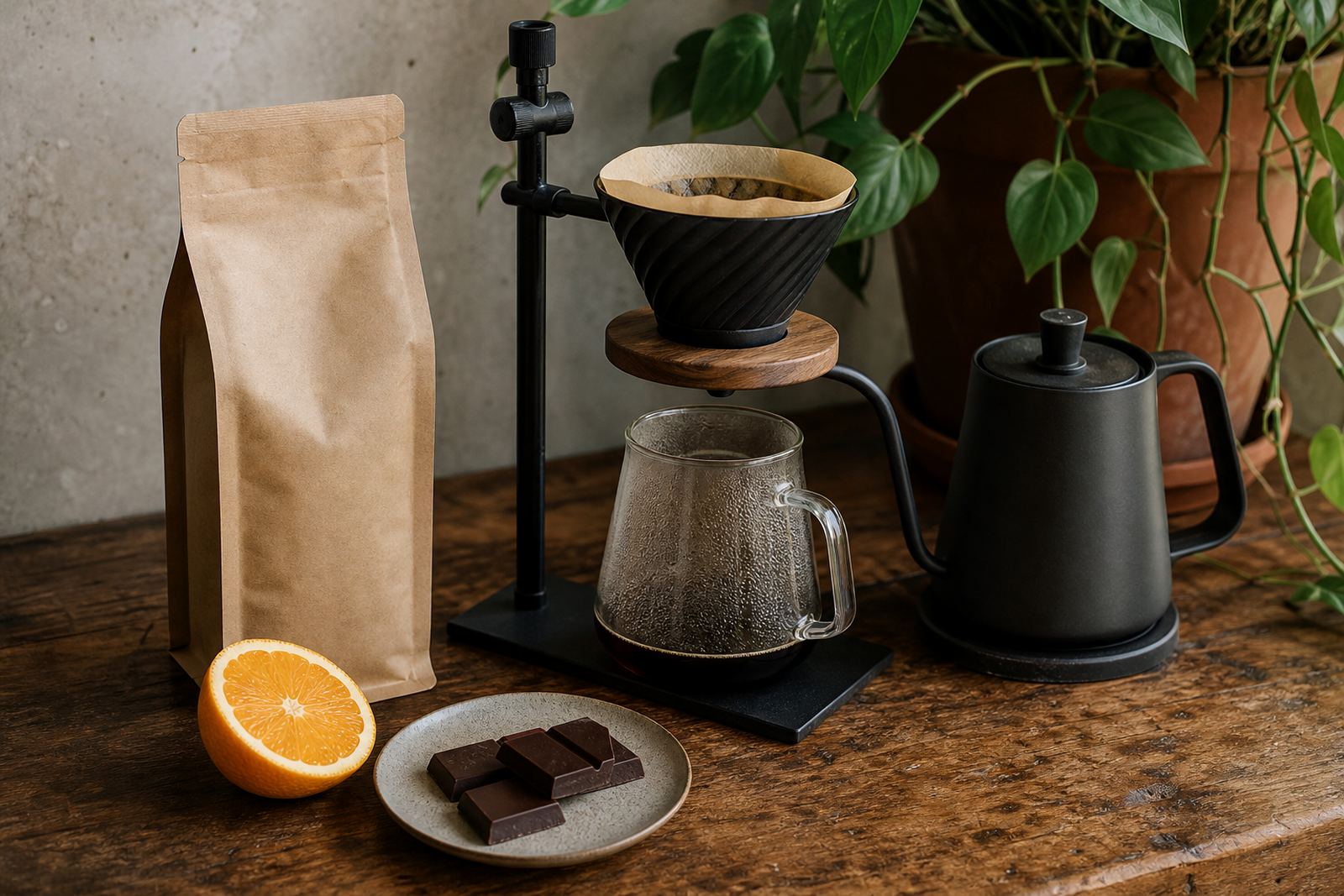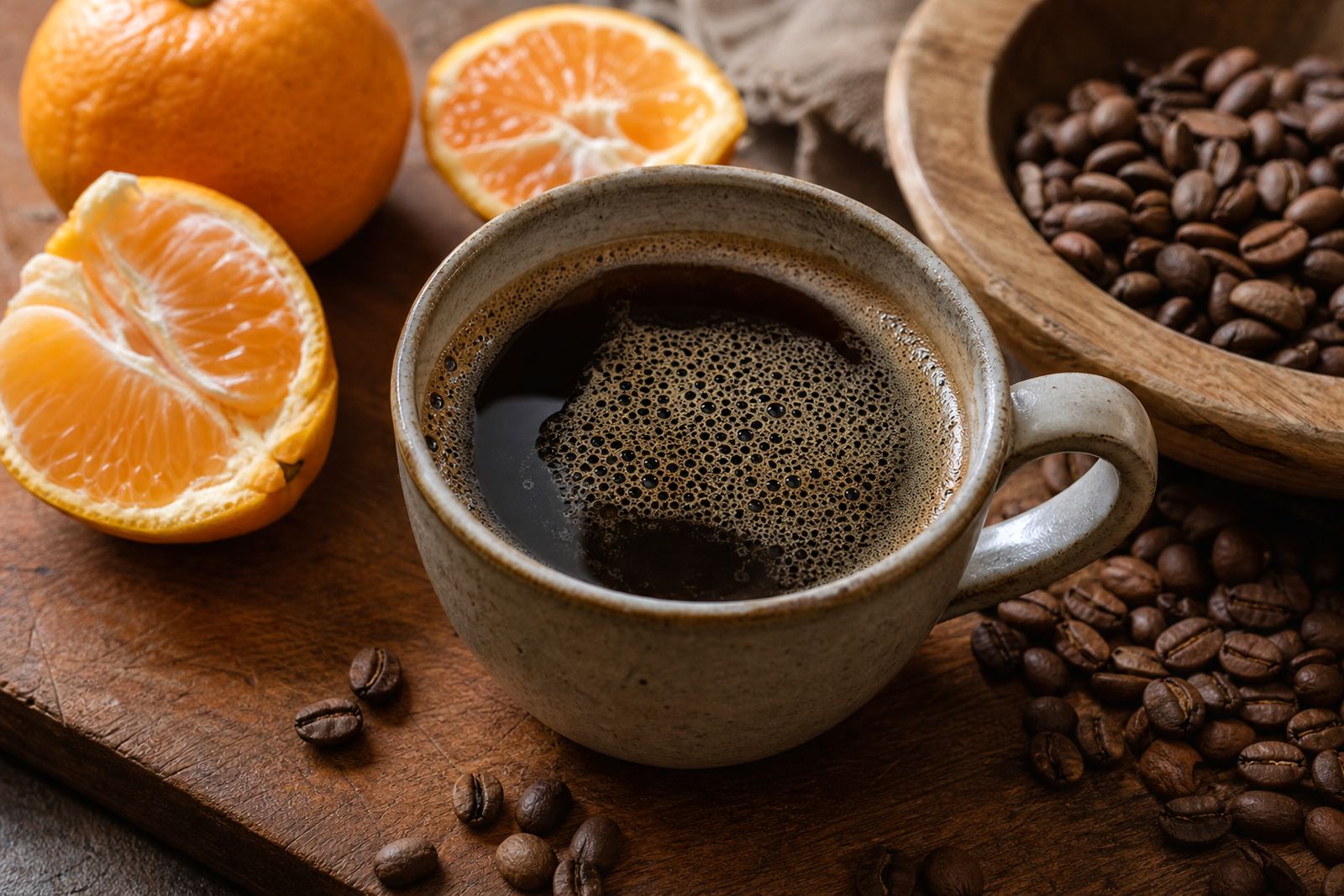

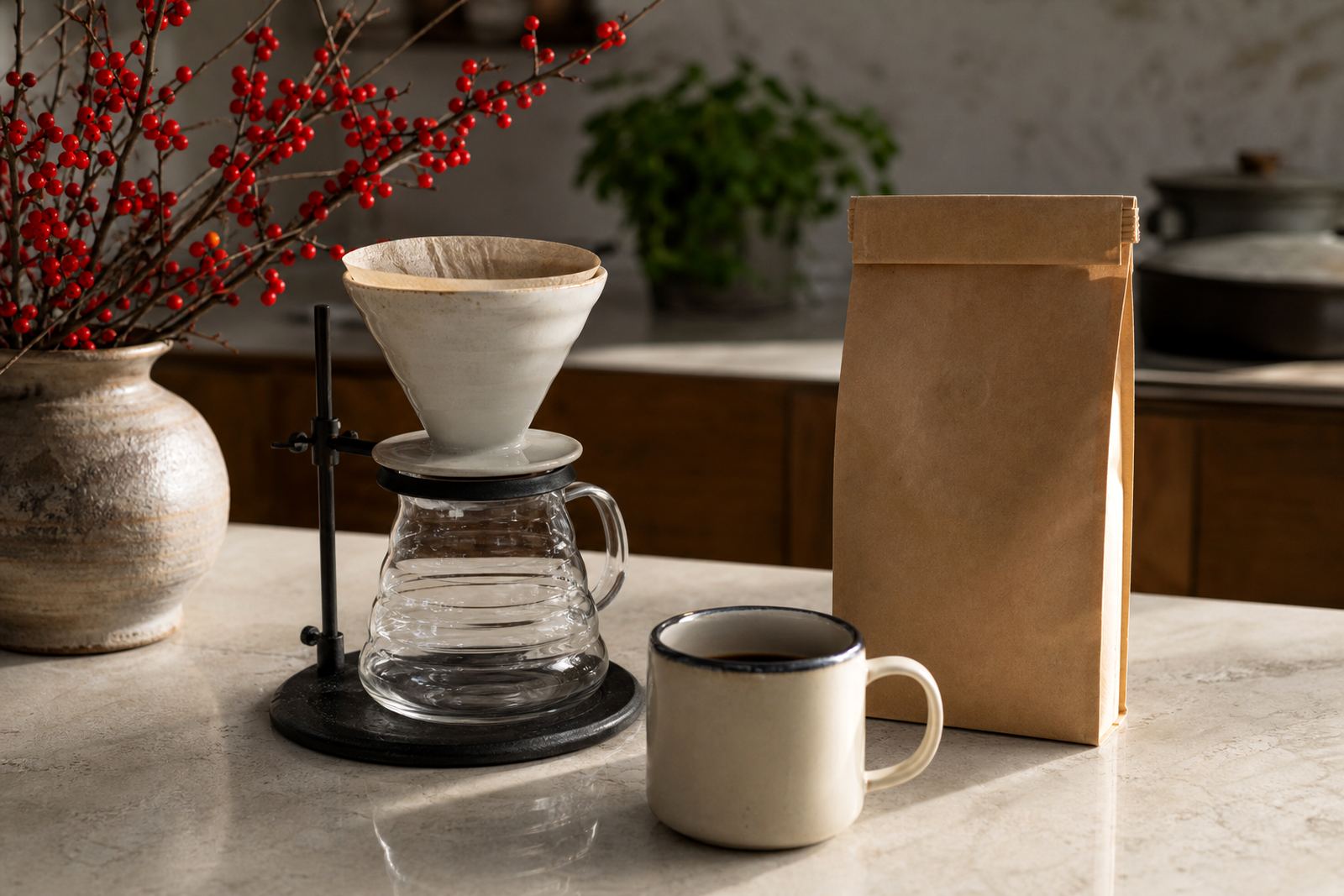
A Kenyan lot with clean fruit and a bright finish
Kirinyaga sits on the slopes of Mount Kenya, where cool nights and rich volcanic soils help produce a cup with lifted acidity and clear sweetness. This lot shows red fruit notes, a crisp structure and enough complexity to hold interest from the first sip to the last. It is the kind of coffee that feels lively without becoming sharp, with a neat finish that suits lighter roasts and careful extraction.
We roast Kenya Kirinyaga to show the fruit, not hide it. That means a cup with clean berries, a little citrus edge and a syrupy sweetness underneath. If you like coffees that taste precise, this is a strong choice for pourover, batch brew or a bright espresso blend component.
Sizes and packing options for home or workplace use
Kenya Kirinyaga is available in practical pack sizes for different buying patterns, from a home pantry to a busy coffee counter. If you are ordering for a small office, a monthly subscription often makes the most sense. For hospitality and meeting room service, larger volumes help keep stock steady and reduce emergency top ups.
- 250 g bags for home brewing and tasting
- 1 kg bags for offices, cafés and regular service
- Subscription deliveries on a weekly, fortnightly or monthly cycle
- Whole bean or ground to suit your grinder and brew method
Whole bean keeps the coffee fresher for longer, especially in coastal humidity where ground coffee can lose aroma faster once opened. If you need it ground, match the grind to your equipment when you order so the brew is usable straight away.
Best suited to filter bars, espresso counters and tasting trays
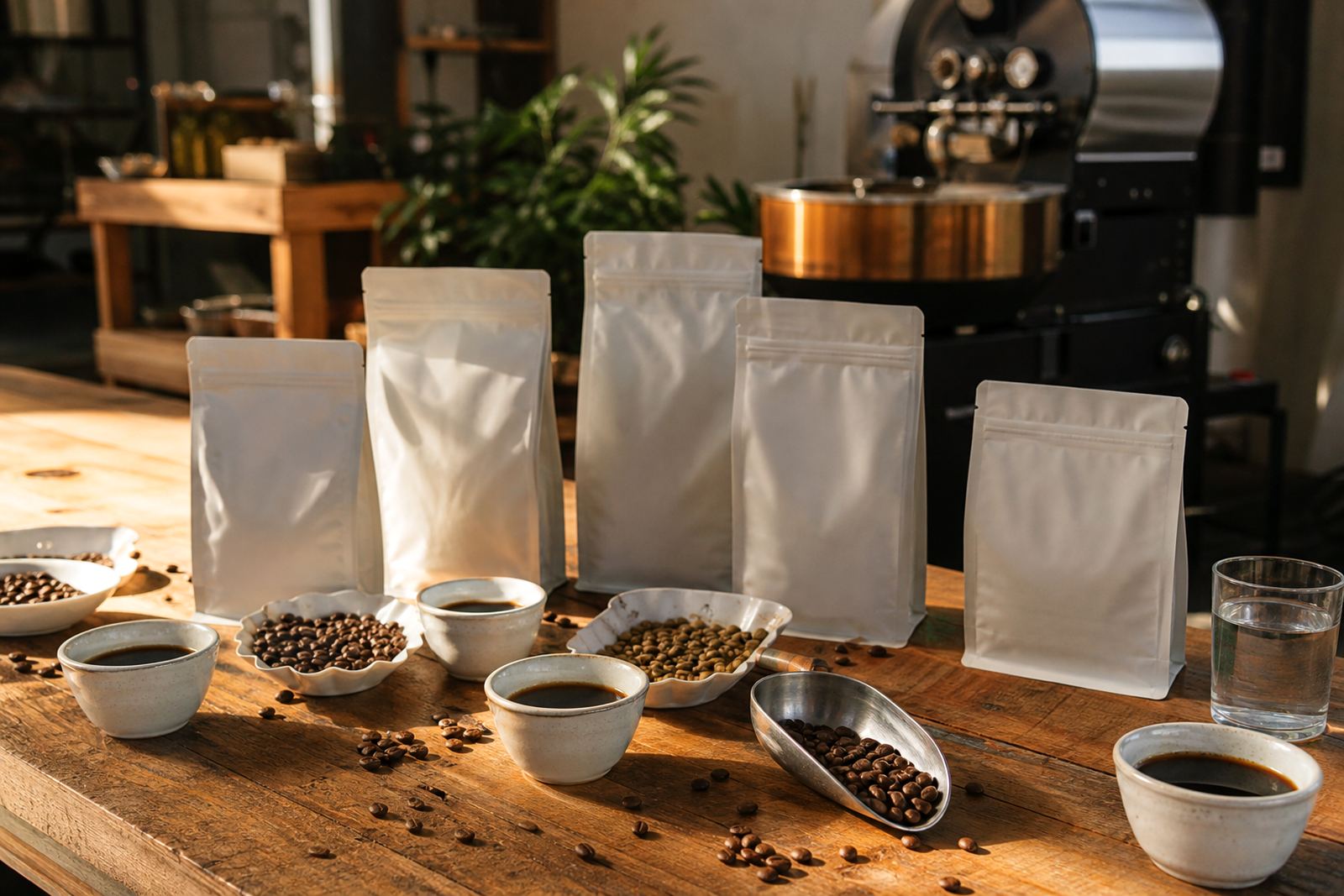
This coffee performs best where clarity matters. It suits cafés that want a bright single-origin option on filter, offices that serve a cleaner cup during meetings and hospitality teams that offer a rotating single-origin feature. In tasting flights, it gives guests an easy reference point for fruit driven coffees.
As espresso, Kenya Kirinyaga can be punchy and vivid, though it usually rewards careful dialling in. If the shot runs too fast, you will lose sweetness and get a thin finish. If it is over extracted, the fruit can turn dry. For that reason it is a good coffee for teams that are prepared to adjust dose, yield and grind through the day.
- Filter coffee bars and batch brew stations
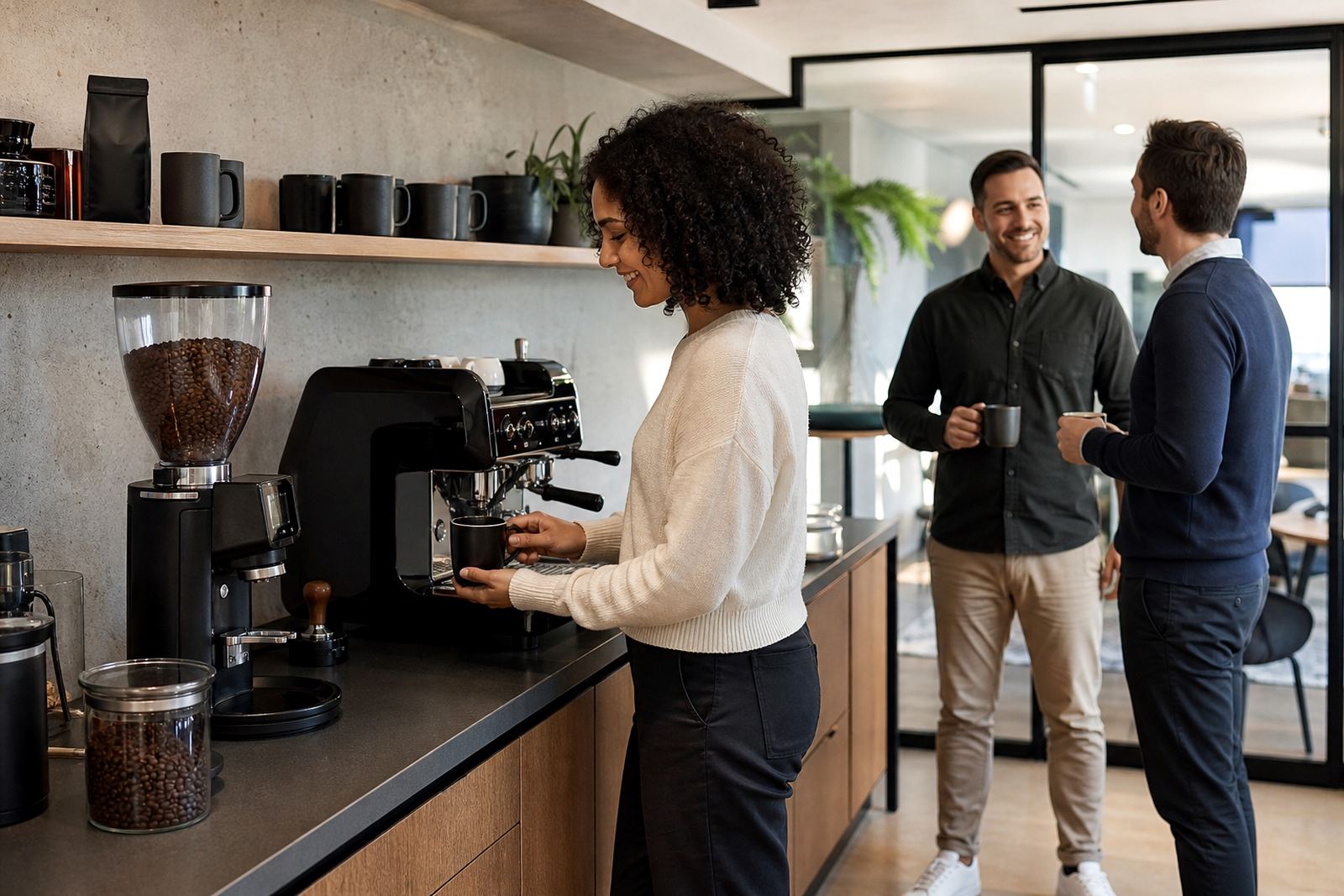
- Corporate kitchens and meeting room service
- Guest houses, boutique stays and breakfast service
- Training sessions for staff learning flavour profiling
Brewing setup, power needs and water checks
For the coffee itself you do not need special power or gas, but the brewing setup matters. A consistent grinder, a scale and a kettle or brewer with stable temperature control will help the cup stay clean and repeatable. In load-shedding areas, it is worth keeping a manual brew option available so service can continue even when the power is out.
Use filtered water wherever possible. High mineral content can flatten the acidity while very soft water can make the cup seem hollow. For filter brewing, a mid-range grind and a water temperature around 92 to 96 degrees C is usually a sound starting point. For espresso, expect to adjust by small steps until the sweetness and brightness are in balance.
- No gas connection required for the coffee itself
- Electric grinder and brewer or kettle recommended
- Stable filtered water improves flavour and consistency
- Keep a backup manual brewer for outage days
Care, storage and servicing for a steadier cup
Coffee care starts the moment the bag is opened. Keep the beans sealed, away from heat and sunlight and avoid storing them near ovens or dishwashers. In hot kitchens or coastal areas, transfer only what you need into a smaller airtight container and leave the rest in the original bag with the valve closed properly.
Grinders and brewers also need regular attention. Burrs should be cleaned on a schedule, brew baskets rinsed fully and scales checked for accuracy. If your team serves Kenya Kirinyaga across the day, taste the first cup in the morning and again after lunch because humidity, grinder drift and changing water temperature can all affect the result.
We can help with grind calibration, brew training and seasonal coffee rotation so the cup stays on target. A little routine goes a long way, especially in busy service environments where the difference between a bright cup and a flat one is often only a small adjustment.
What to check before you place an order
Before ordering, think about how the coffee will be used, how quickly it will move and whether you want whole bean or ground. If you are buying for a subscription, the delivery rhythm should match your real consumption not just your estimated usage. That helps avoid stale stock and unnecessary top ups.
It is also worth checking the brew method, the number of people served each day and the roast preference of your team. Kenya Kirinyaga is naturally lively, so if your office prefers a softer cup, we can help pair it with the right brew method or suggest a seasonal rotation. If you are serving guests, a clear label and simple brew notes make it easier for staff to keep the cup consistent.
- Choose whole bean or ground for your method
- Confirm pack size against weekly usage
- Decide on single order or subscription delivery
- Match the brew method to the flavour profile you want
For homes, one 250 g bag may suit a few days of careful brewing. For offices and hospitality, 1 kg bags and scheduled deliveries are usually more efficient. If you are not sure where to start, the enquiry form on our contact page is the easiest way to ask about pack sizes, grind and service support.
Key facts
| Origin | Kirinyaga, Kenya |
|---|---|
| Process | Washed |
| Roast style | Light to medium |
| Tasting notes | Red fruit, citrus, brown sugar, clean finish |
| Recommended brew | Filter, batch brew, careful espresso |
| Available sizes | 250 g and 1 kg |